If you are searching Coral Gables luxury homes, architecture is not just about curb appeal. In this market, style helps shape value, upkeep, and even what changes may be possible over time. When you understand the architectural language of Coral Gables, you can make a smarter decision about what fits your taste, your lifestyle, and your long-term goals. Let’s dive in.
Why architecture matters in Coral Gables
Coral Gables was planned as both a City Beautiful and a Garden City, and that vision still shows up throughout the city today. More than 1,000 properties are listed on the Coral Gables Register of Historic Places, which tells you how deeply architecture is tied to local identity.
This is also a city where design is actively reviewed. The Board of Architects looks at compatibility in areas like color, materials, fenestration, and proportion, so the visual character of a home is not treated as an afterthought. In practical terms, architecture here is part of what gives Coral Gables its curated, luxury feel.
The look most buyers recognize
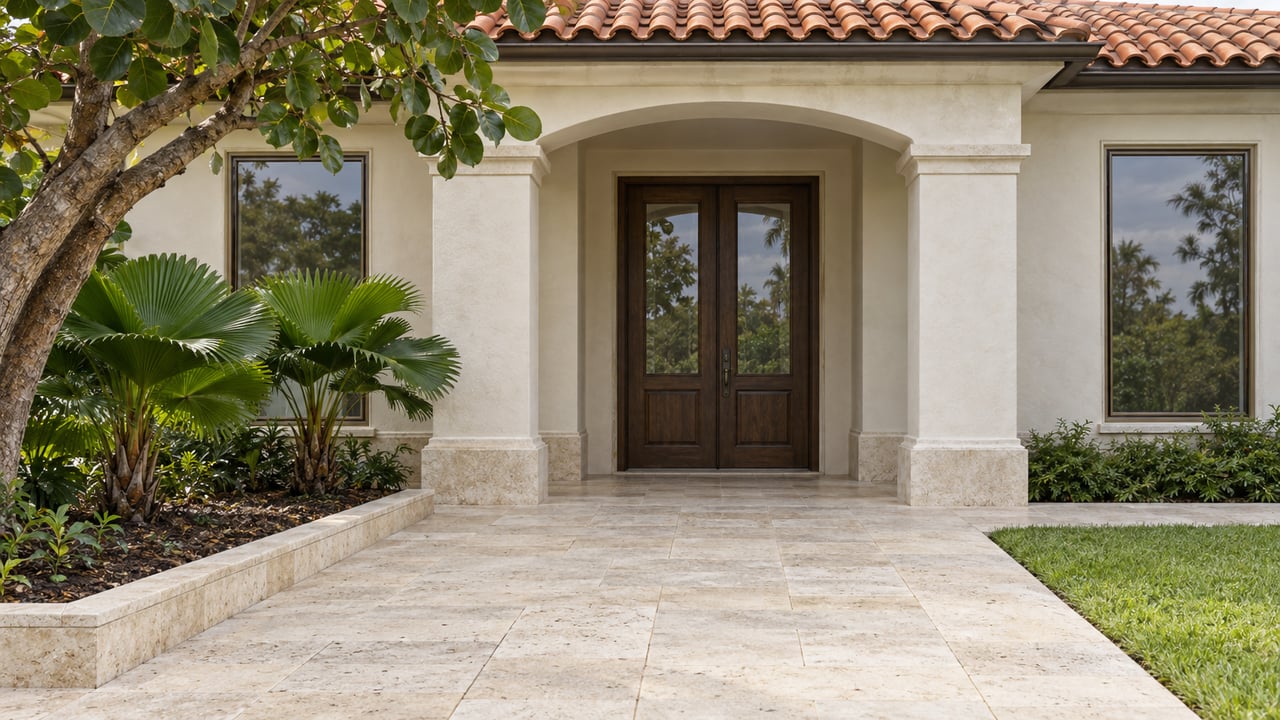
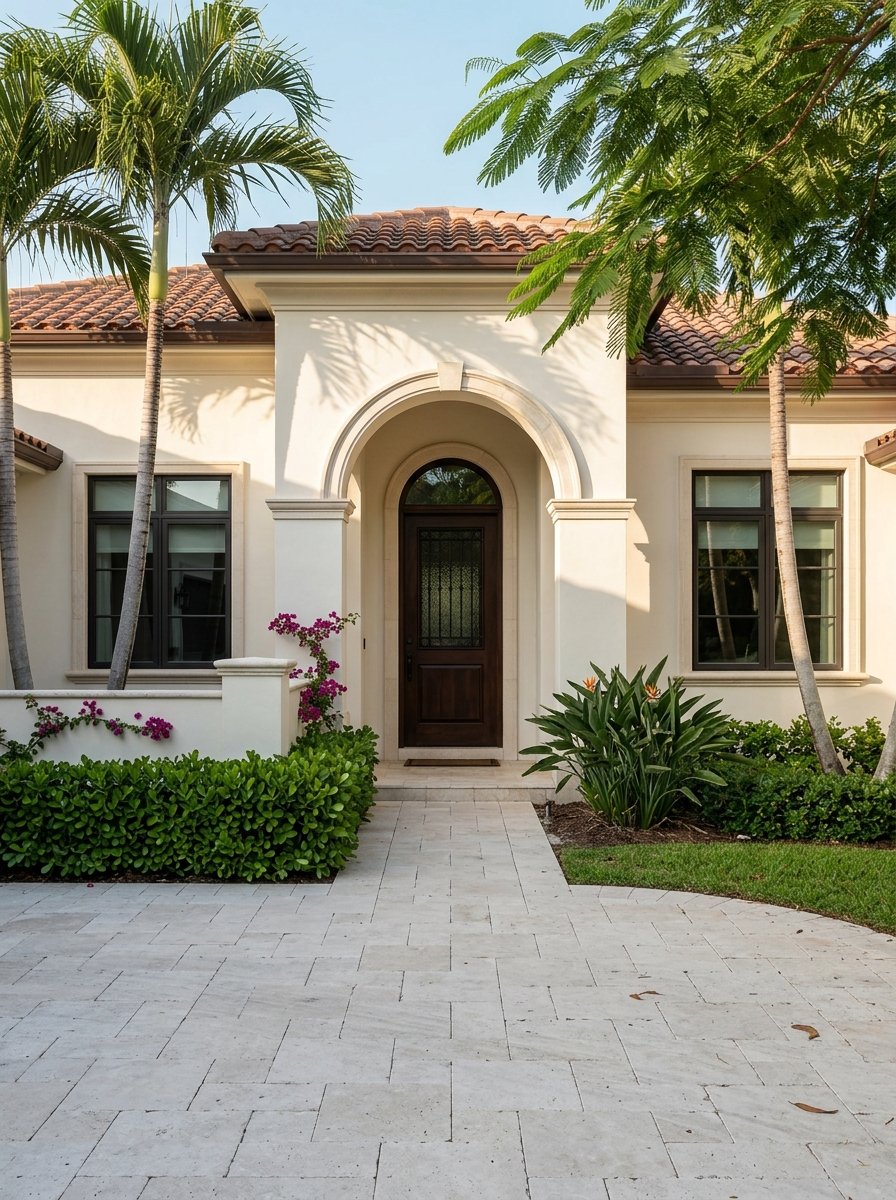
When many buyers picture Coral Gables luxury homes, they imagine a very specific setting. Think arches, stucco walls, courtyards, coral rock, tiled roofs, and carefully framed entrances that feel elegant without feeling cold.
That image is not accidental. Coral Gables continues to treat Mediterranean architecture as a defining part of the city’s design language, and that influence shapes how both historic homes and newer projects are viewed.
Mediterranean Revival defines the market
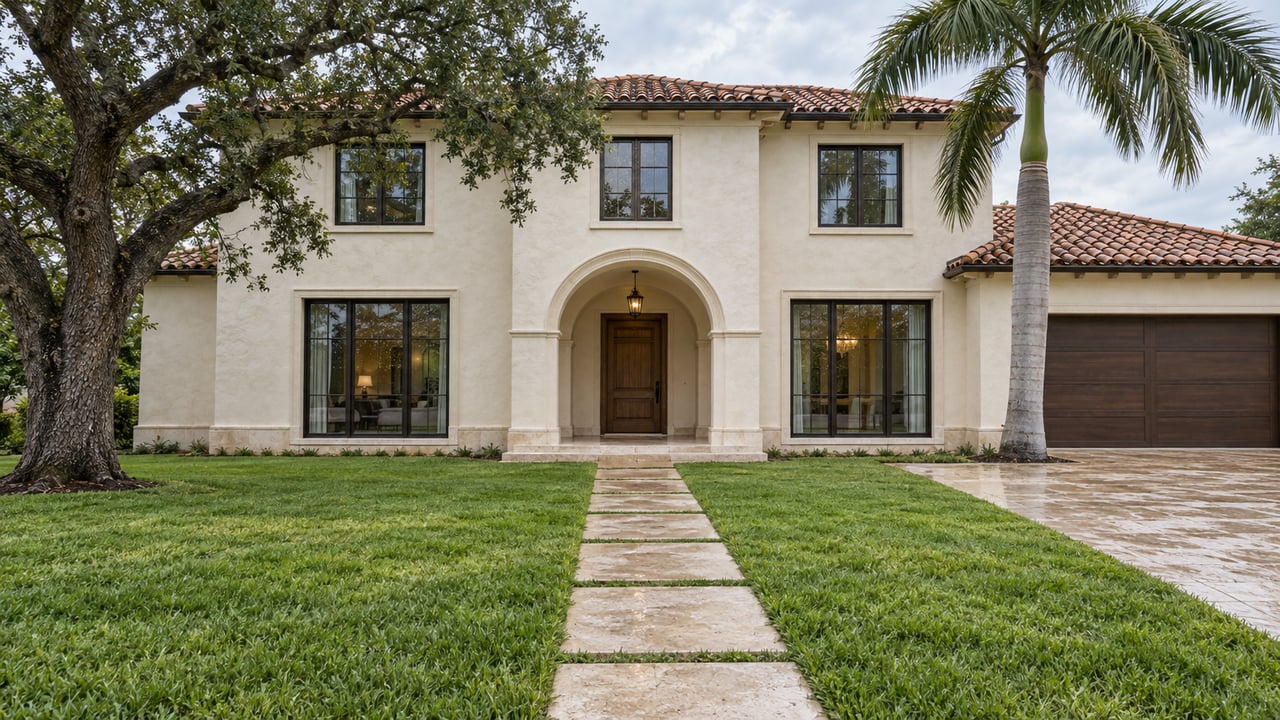
Mediterranean Revival is the style most closely associated with Coral Gables. Across South Florida, this style is known for stucco exteriors, low-pitched terra-cotta tile roofs, arches, tile accents, balconies, courtyards, wrought iron details, and lush landscaping.
In Coral Gables, some of the city’s best-known landmarks help reinforce this identity. City Hall, the Douglas Entrance, the Coco Plum Woman’s Club, and Coral Gables Elementary School all reflect this architectural vocabulary in memorable ways.
What Mediterranean Revival signals
For many buyers, Mediterranean Revival suggests a home designed for indoor-outdoor living. Covered loggias, courtyards, balconies, and garden connections often create a softer, more romantic feel than a sharply minimalist house.
This style also tends to signal entertaining potential. Spaces are often arranged around arrival, outdoor rooms, and landscaped areas, which can make the home feel welcoming and layered.
Details that shape the experience
The appeal often comes from a mix of materials and proportion rather than one dramatic feature. Textured stucco, barrel-tile roofs, arches, carved detailing, and wrought iron work together to create a sense of permanence and character.
That is one reason these homes remain so desirable in Coral Gables. They fit the city’s original vision while still feeling well suited to South Florida living.
Spanish-influenced homes add depth
Coral Gables is not limited to one exact look. The city’s landmarks also show a broader Spanish-influenced traditional layer, with references to Spanish hill towns, Seville-inspired design, and other historic influences that give the area more texture than a typical coastal luxury market.
You can see that layered character in places like the Douglas Entrance, the Biltmore Hotel, the Congregational Church, and the Merrick House. Together, they help explain why Coral Gables feels visually distinct from newer luxury communities that may have scale but less architectural history.
What buyers should understand about this style
In day-to-day home search language, you may hear terms like Spanish Revival, Old Spanish, or Mission-influenced design. In Coral Gables, it is often most helpful to think of these homes as part of the city’s broader Mediterranean identity rather than as completely separate categories.
For you as a buyer, the key takeaway is simple. These homes often offer heritage, detail, and a strong sense of place, which can be a major part of their long-term appeal.
Modern estates have a place too
While Coral Gables is known for historic and Mediterranean homes, the city’s design framework also recognizes other residential styles. Review materials reference High Modern, Post-War Modern, Ranch, Key West or Florida Vernacular, and Neo-Classical in certain contexts.
That means contemporary homes can absolutely be part of the Coral Gables luxury market. But they still need to feel intentional and compatible with their setting.
What modern design signals
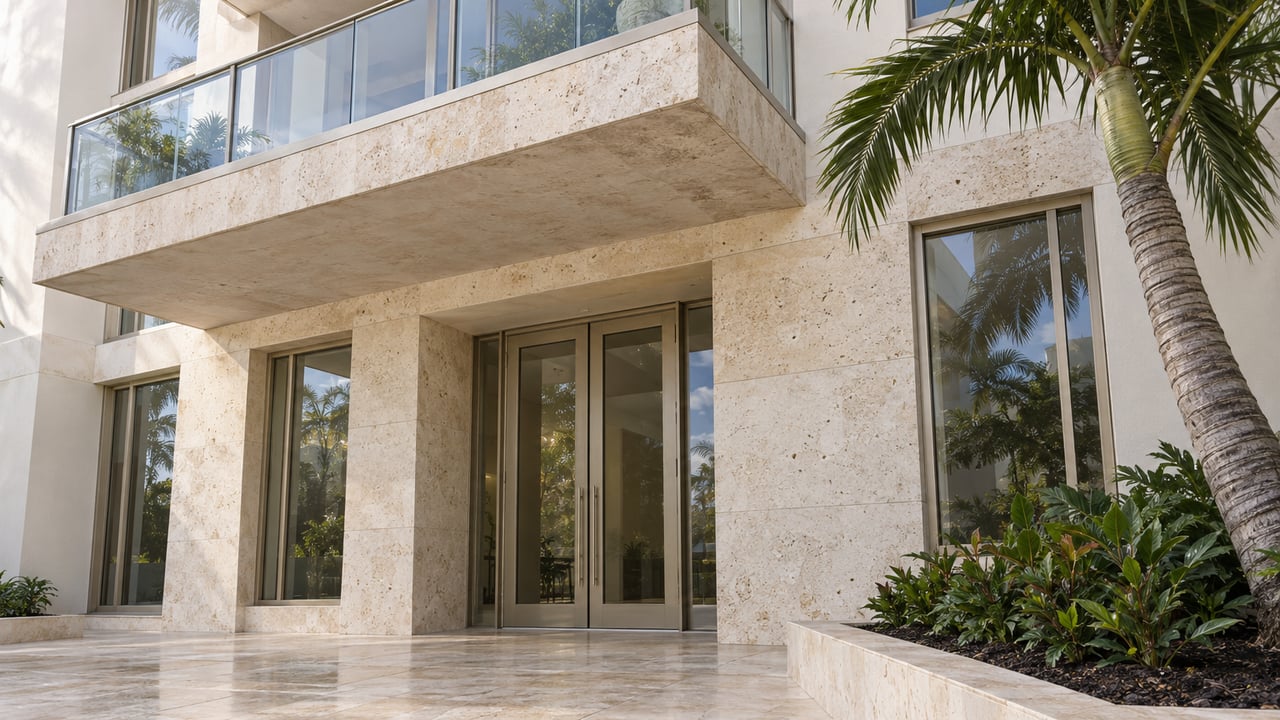
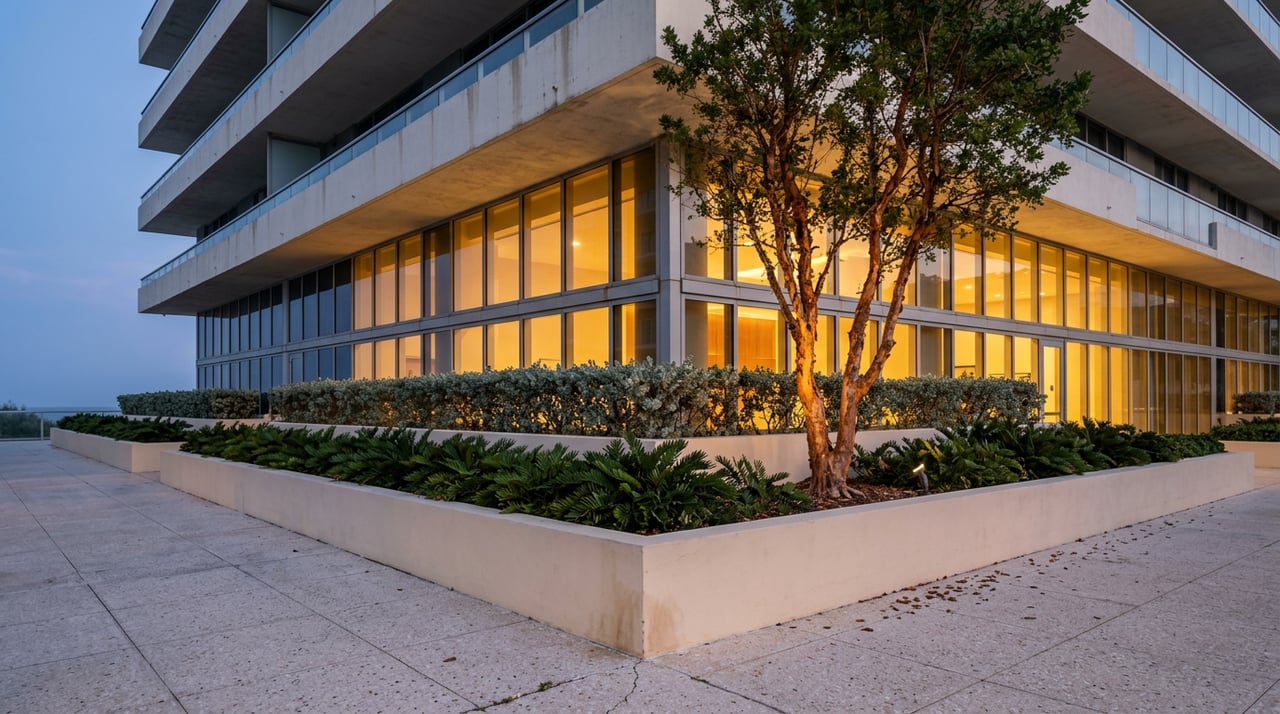
A modern or contemporary estate often appeals to buyers who want cleaner lines, newer layouts, and less ornamentation. These homes may feel more streamlined and easier to maintain visually, especially when compared with houses that have more decorative exterior elements.
Even so, Coral Gables does not treat modern design as a free-for-all. The city still reviews color, finishes, fenestration, texture, and the relationship between a home’s base, middle, and top, so design discipline matters.
Modern homes still follow local rules
One useful example is roofing. The city allows metal roofs in some situations for newer single-family homes when the style is compatible and installation meets strict conditions, but historically significant Mediterranean and Mission homes cannot have metal roofs.
That distinction says a lot about the market. Newer homes may offer more material flexibility, but Coral Gables still expects architecture to respect context and appearance.
Historic character affects renovations
If you love character, it is important to know that style in Coral Gables can affect what happens after closing. For locally designated properties, most exterior alterations require review for compatibility.
Some smaller projects, like repainting or re-roofing, may be handled administratively. Additions, major remodels, or demolitions can trigger board review and a Certificate of Appropriateness.
Why this matters for luxury buyers
For Mediterranean and Spanish-influenced homes, the very features that create charm are often the features the city expects to preserve. That can include textured stucco, terra-cotta or barrel-tile roofs, arches, carved details, and wrought iron.
This does not mean change is impossible. It means your renovation plans should start with a clear understanding of the home’s architectural language and how the city approaches preservation.
Color and materials are part of the equation
Coral Gables also gives guidance on color and finish. Warm Mediterranean color palettes are preferred, white should be used sparingly, bright primary colors are not permitted, and no single color should dominate the entire structure.
That level of specificity is one reason homes here often feel so cohesive from street to street. The architecture, materials, and landscape are expected to work together.
Landscape is part of the design story
In Coral Gables, architecture is closely tied to the surrounding site. The city requires a tree survey and tree protection plan when submitting to the Board of Architects and when applying for demolition permits.
That requirement shows how seriously the city takes the relationship between the house, the lot, and the streetscape. For buyers, this is part of what keeps Coral Gables feeling established, intentional, and visually balanced.
Style can influence resale appeal
In many luxury markets, beautiful design helps a home stand out. In Coral Gables, authenticity can do even more than that.
The city’s preservation guide states that historic preservation helps strengthen the economy by stabilizing and enhancing property values. It also notes that buyers tend to value the unique and special character of designated residential areas.
Why authenticity matters
A home that feels visually coherent with its era, its block, and the city’s broader Mediterranean story often has a strong advantage in Coral Gables. Buyers are not just responding to square footage or finishes. They are also responding to identity, rarity, and a sense of place.
That helps explain why architecture can be such a meaningful resale asset here. In Coral Gables, style is not just cosmetic. It is part of the market’s long-term appeal.
Flexibility versus character
If you are comparing options, the decision often comes down to what you value most. A Mediterranean Revival or Spanish-influenced home may offer richer detail and stronger historic character, while a modern estate may offer a newer floor plan and a more pared-back design language.
Neither choice is automatically better. The right fit depends on whether you are drawn more to architectural authenticity, design flexibility, or a blend of both.
How to evaluate style when buying
When you tour Coral Gables luxury homes, it helps to look beyond finishes and staging. Pay attention to how the architecture connects with the lot, the landscaping, and the surrounding homes.
A few smart questions to ask include:
- Is this home part of a locally designated historic property or area?
- Which original features have been preserved?
- Were past exterior updates consistent with the home’s architectural style?
- If you want to renovate later, what level of review might apply?
- Does the home’s design feel truly suited to Coral Gables, or could it feel out of place over time?
These questions can help you understand not just what you are buying today, but how the home may function as a long-term investment.
The Coral Gables difference
What makes Coral Gables special is not simply that it has luxury homes. It is that architecture, planning, and preservation work together to create a market with a strong visual identity.
From Mediterranean Revival landmarks to Spanish-influenced residences and carefully considered contemporary estates, the city offers a range of styles. But the most compelling homes tend to share one thing in common: they feel consistent with the character of Coral Gables itself.
If you are considering buying or selling in this market, understanding architectural style can give you a real advantage. For tailored guidance on Coral Gables luxury homes and how design influences value, lifestyle, and resale, connect with Nancy Jimenez.
FAQs
What architectural style is most common in Coral Gables luxury homes?
- Mediterranean Revival is the style most closely associated with Coral Gables, with features like stucco exteriors, terra-cotta tile roofs, arches, balconies, courtyards, and wrought iron details.
Are modern homes allowed in Coral Gables?
- Yes. Coral Gables recognizes several residential styles beyond Mediterranean Revival, including modern categories, but newer homes are still reviewed for compatibility in design, materials, proportion, and finishes.
Do historic Coral Gables homes have renovation restrictions?
- Locally designated properties generally require review before most exterior alterations, and larger projects such as additions or major remodels may require board review and a Certificate of Appropriateness.
Why does architecture matter for Coral Gables resale value?
- Coral Gables links preservation and architectural character to neighborhood identity, and the city’s preservation guide states that historic preservation helps stabilize and enhance property values.
What design details define Mediterranean Revival homes in Coral Gables?
- Common details include textured stucco, low-pitched barrel-tile or terra-cotta roofs, arches, carved accents, wrought iron, balconies, courtyards, and landscaping that supports indoor-outdoor living.
How should buyers compare historic and modern Coral Gables homes?
- Focus on your priorities. Historic homes may offer more original detail and architectural character, while modern homes may offer newer layouts and a simpler design language, though both must fit Coral Gables’ broader design expectations.