Choosing between a condo and a house on Key Biscayne is not just about square footage or style. On this small barrier island, your decision shapes how you handle maintenance, storm planning, monthly costs, and everyday convenience. If you are trying to figure out which option fits your lifestyle and budget best, this guide will help you compare the tradeoffs clearly. Let’s dive in.
Why Key Biscayne Changes the Decision
Key Biscayne is a barrier-island village in Miami-Dade County connected to the mainland by the Rickenbacker Causeway. The village has about 15,000 residents on just 1.25 square miles, and there is only one road in and out. That means traffic, evacuation planning, and weather disruption are part of ownership whether you buy a condo or a house.
The island’s housing mix also matters. A recent community report says Key Biscayne has about 7,207 residential units, including 1,296 single-family homes and 5,911 multifamily units. In simple terms, condos make up most of the housing stock, while single-family homes are a more limited slice of the market.
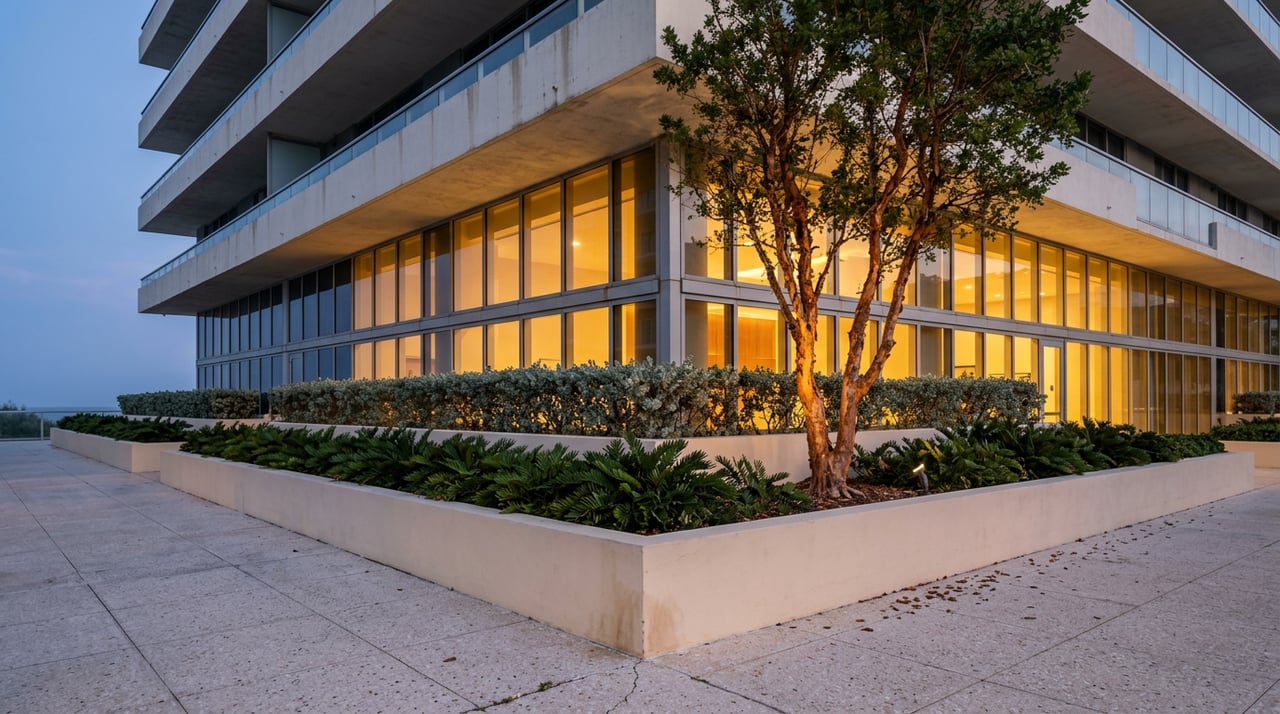
The location pattern is useful too. Single-family homes are concentrated on the west side of the island, while low-, medium-, and high-density multifamily areas are mostly on the east side. So when you compare a condo and a house on Key Biscayne, you are often comparing not just property type, but also a different day-to-day setting on the island.
What Condo Living Usually Looks Like
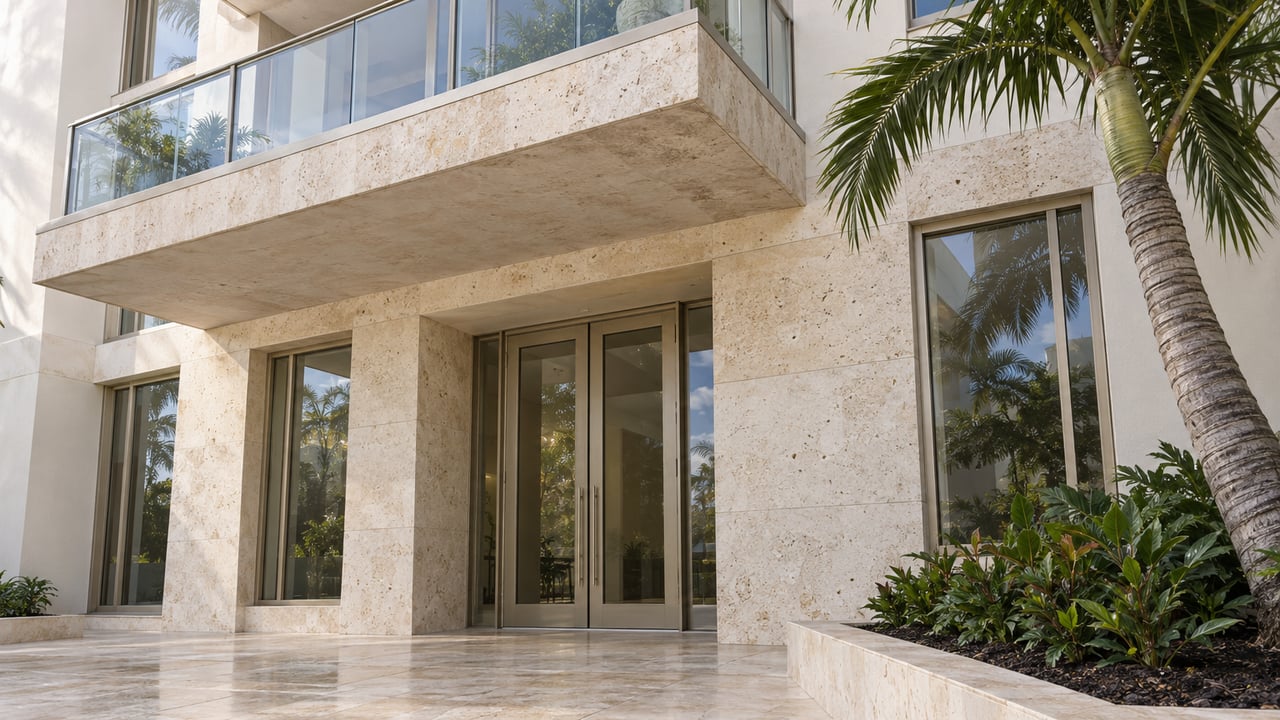
A condo gives you private ownership of your unit, along with shared ownership of common areas and amenities. That often includes things like pools, gyms, garages, and building grounds. In exchange, you usually pay recurring condo or HOA fees to help cover the repair and maintenance of those shared spaces.
For many buyers, the biggest appeal is convenience. A condo can be a strong fit if you want a more lock-and-leave lifestyle, less hands-on exterior upkeep, and access to building amenities without managing them yourself. On an island setting like Key Biscayne, that lower-maintenance model can be especially attractive for buyers who split time between homes or want simpler day-to-day ownership.
That said, condo living also means shared walls, shared governance, and less direct control over the property. You will want to be comfortable with association rules, budgeting decisions, and the reality that some costs and building policies are made collectively rather than individually.
What House Living Usually Looks Like
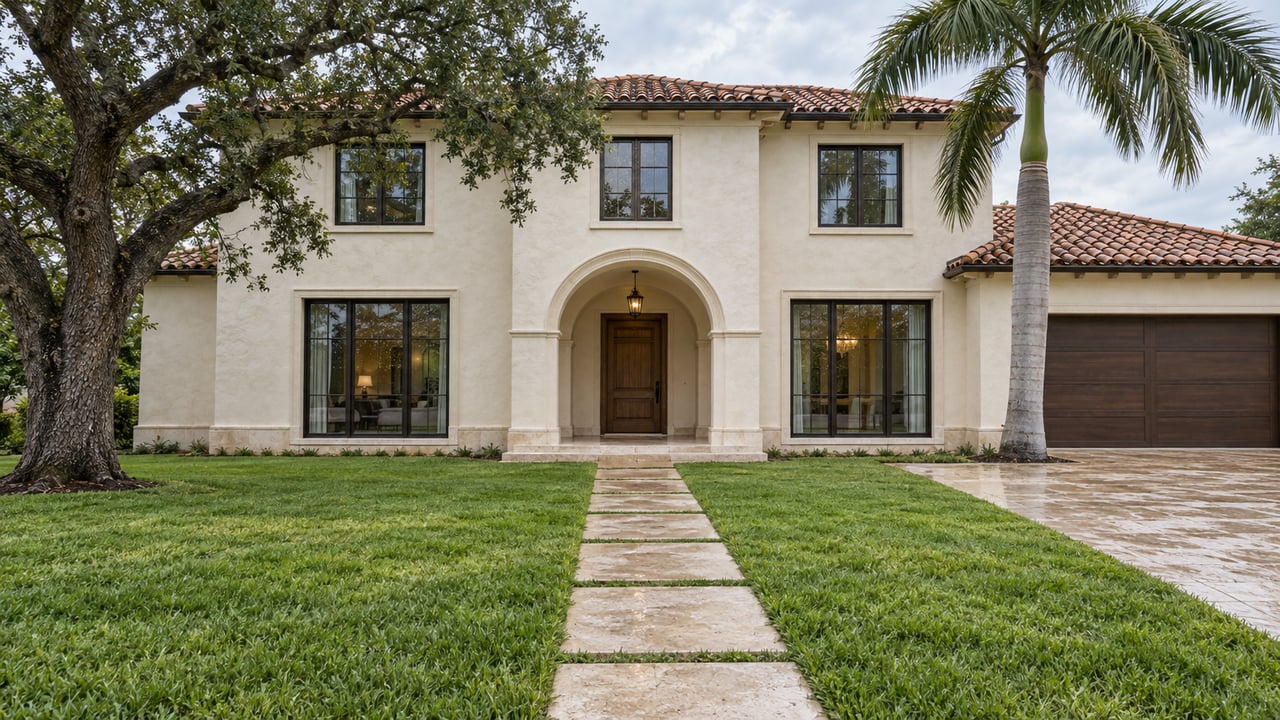
A single-family house gives you a stand-alone property with more direct control over the home and land. In most cases, that means more privacy, more outdoor space, and more freedom in how you use and maintain the property. It also usually means you are responsible for the full range of upkeep, inside and out.
On Key Biscayne, a house often appeals to buyers who value private outdoor areas, want more separation from neighbors, or prefer not to live under condo association governance. If you like the idea of managing your own landscaping, repairs, and storm preparation, a house may feel more natural.
The tradeoff is that more control usually comes with more responsibility. You are not sharing maintenance obligations with a larger building community. That can be a plus or a burden depending on how involved you want to be.
Monthly Costs: Look Beyond the Mortgage
No matter which path you choose, Key Biscayne is a premium housing market. Census QuickFacts lists the median owner-occupied housing value at $1,575,300, with median monthly owner costs with a mortgage at more than $4,000. Those figures do not separate condos from houses, but they do show that both options require careful planning.
For condos, your budget needs to include more than principal, interest, taxes, and insurance. Condo or HOA dues are usually paid separately from the mortgage, and they can range from a few hundred dollars a month to more than one thousand dollars a month. That makes dues a permanent part of your housing cost, not a side note.
For houses, you may not have condo dues, but you should expect to carry more direct maintenance costs yourself. Landscaping, exterior repairs, drainage concerns, and storm prep can all land on you. A lower monthly fee structure does not always mean lower total ownership cost.
Condo-Specific Costs on Key Biscayne
If you are considering a condo, Florida building requirements deserve close attention. The Florida Department of Business and Professional Regulation says milestone inspections are required for certain residential condominium and cooperative buildings. Those rules do not apply the same way to single-family homes, which makes this a key condo-specific point of review.
Florida law also requires structural integrity reserve studies for qualifying condominiums, generally every 10 years. The law says reserve funding must cover required components, and it warns that waiving reserves can expose owners to special assessments. In practical terms, that means the true cost of condo ownership may include not just regular dues, but also the building’s long-term repair funding needs.
Before you buy a condo, ask whether the building has completed its milestone inspection and structural integrity reserve study. Also ask whether any special assessments are pending or under discussion. These questions are central to understanding your real monthly and future costs.
Flood and Storm Risk Matter for Both
Key Biscayne’s location is one of its biggest lifestyle draws, but it also creates real planning needs. The village’s hurricane guide says the entire village is in a Special Flood Hazard Area and Evacuation Zone A. The guide also says substantial flooding has happened before and likely will happen again.
That means flood and storm exposure should be part of your decision whether you buy a condo or a house. Lenders require flood insurance on federally backed mortgages in these areas, and the village notes that flood insurance usually covers the structure rather than contents. You should review insurance, preparedness, and access issues early in the process.
For house buyers, this often means taking a close look at flood zone details, elevation, drainage, and the overall insurance picture. For condo buyers, it means understanding both your personal insurance responsibilities and the building’s broader readiness and maintenance planning. On Key Biscayne, storm budgeting is not optional.
Views, Beach Access, and Lifestyle
Many buyers assume a condo automatically wins on water views and a house automatically wins on beach lifestyle. On Key Biscayne, it is not that simple. The better choice depends more on the exact building, lot, orientation, elevation, and access points than on the label alone.
The village offers a strong park and beach network, including Beach Park with residents-only waterfront access via key fob, along with Bill Baggs Cape Florida State Park, Crandon Park, Virginia Key Beach Park, and Hobie Island Beach Park nearby. Because of that, beach and recreation access can be a meaningful part of island life regardless of whether you own a condo or a house.
If views are high on your list, compare the actual vantage point of each property. An upper-floor condo may offer broad panoramic views, while a house may offer different kinds of access, privacy, or proximity to the water. The smartest move is to compare specific properties, not broad assumptions.
Which Option Fits Your Lifestyle Best?
If you are deciding between a condo and a house on Key Biscayne, it helps to think in terms of your daily habits rather than only your wish list. The right choice is usually the one that matches your comfort level with maintenance, shared decision-making, and recurring costs. Lifestyle fit often matters more than headline features.
A condo may be the better fit if you want:
- Less direct exterior maintenance
- Shared amenities like a pool, gym, or garage
- A more lock-and-leave setup
- Building-managed common spaces
- A simpler ownership experience day to day
A house may be the better fit if you want:
- More privacy
- More private outdoor space
- Greater control over the property
- Fewer shared governance decisions
- Comfort managing repairs, upkeep, and storm prep yourself
Smart Questions to Ask Before You Buy
On Key Biscayne, careful due diligence can save you time, stress, and money later. Because the island is small, flood-prone, and land-constrained, you want to understand the tradeoffs clearly before you commit.
If you are looking at a condo, ask:
- What does the HOA or condo fee cover?
- What is excluded from that fee?
- Has the building completed required milestone inspections?
- Has the building completed its structural integrity reserve study?
- Are there any pending or possible special assessments?
If you are looking at a house, ask:
- What is the flood zone for this property?
- What is the elevation and drainage situation?
- What should you expect for flood insurance?
- What maintenance items will be fully your responsibility?
- How does the property handle storm preparation and recovery?
The Bottom Line on Key Biscayne
There is no universal winner between a condo and a house on Key Biscayne. A condo can offer convenience, shared amenities, and a more flexible ownership style. A house can offer privacy, outdoor space, and more control.
The better choice comes down to the tradeoffs you want to live with every month. On Key Biscayne, that means balancing lifestyle, maintenance, governance, flood risk, and long-term cost in a way that feels right for you. If you want a clear, property-by-property strategy for buying on the island, Nancy Jimenez can help you evaluate the details with a concierge-level approach.
FAQs
What is the main difference between a condo and a house on Key Biscayne?
- A condo usually offers shared amenities and less direct exterior maintenance, while a house usually offers more privacy, more outdoor space, and more direct responsibility for upkeep.
Are condos more common than houses on Key Biscayne?
- Yes. A recent community report says Key Biscayne has about 5,911 multifamily units and 1,296 single-family homes, so condos and other multifamily housing make up most of the island’s residential stock.
Do Key Biscayne condo fees usually get included in the mortgage payment?
- No. Condo or HOA dues are usually paid separately from the mortgage, so you should budget for them as an ongoing housing cost.
What flood risks should Key Biscayne homebuyers know about?
- The village says the entire island is in a Special Flood Hazard Area and Evacuation Zone A, and that substantial flooding has happened before and likely will happen again.
What should condo buyers review before buying on Key Biscayne?
- Condo buyers should review what the HOA fee covers, whether the building has completed required milestone inspections and structural integrity reserve studies, and whether any special assessments are pending.
Can a house on Key Biscayne still offer beach access?
- Yes. Key Biscayne has a strong network of parks and beaches, including resident beach access and nearby public beach destinations, so beach access is not limited to condo ownership.