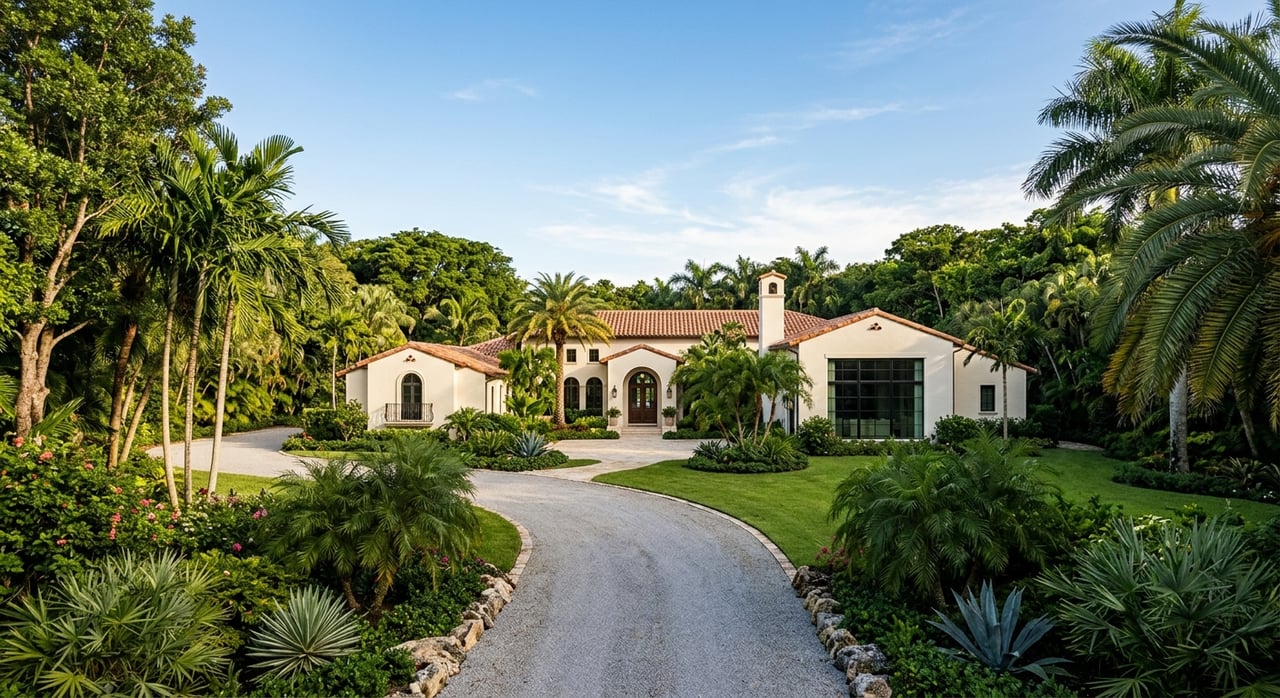
Choosing between Pinecrest and Coral Gables for an estate home is not just about price or prestige. It is about how you want to live every day, how much space you want around you, and how much architectural structure you want in the buying process. If you are weighing both areas, this guide will help you compare lot sizes, neighborhood feel, mobility, green space, and property rules so you can make a more confident move. Let’s dive in.
Pinecrest vs Coral Gables at a Glance
Pinecrest and Coral Gables are both well-known luxury residential markets in Miami-Dade, but they offer different estate-home experiences. Pinecrest covers about 7.45 square miles and had a population of 18,388 in the 2020 Census. Coral Gables is larger at 12.93 square miles with 49,248 residents, which helps explain its broader mix of housing and amenities.
At a high level, Pinecrest tends to feel more centered on space, privacy, and large residential lots. Coral Gables leans more toward historic character, architecture, and a more curated civic setting. For many buyers, that difference shapes the entire search.
Why Pinecrest Appeals to Estate Buyers
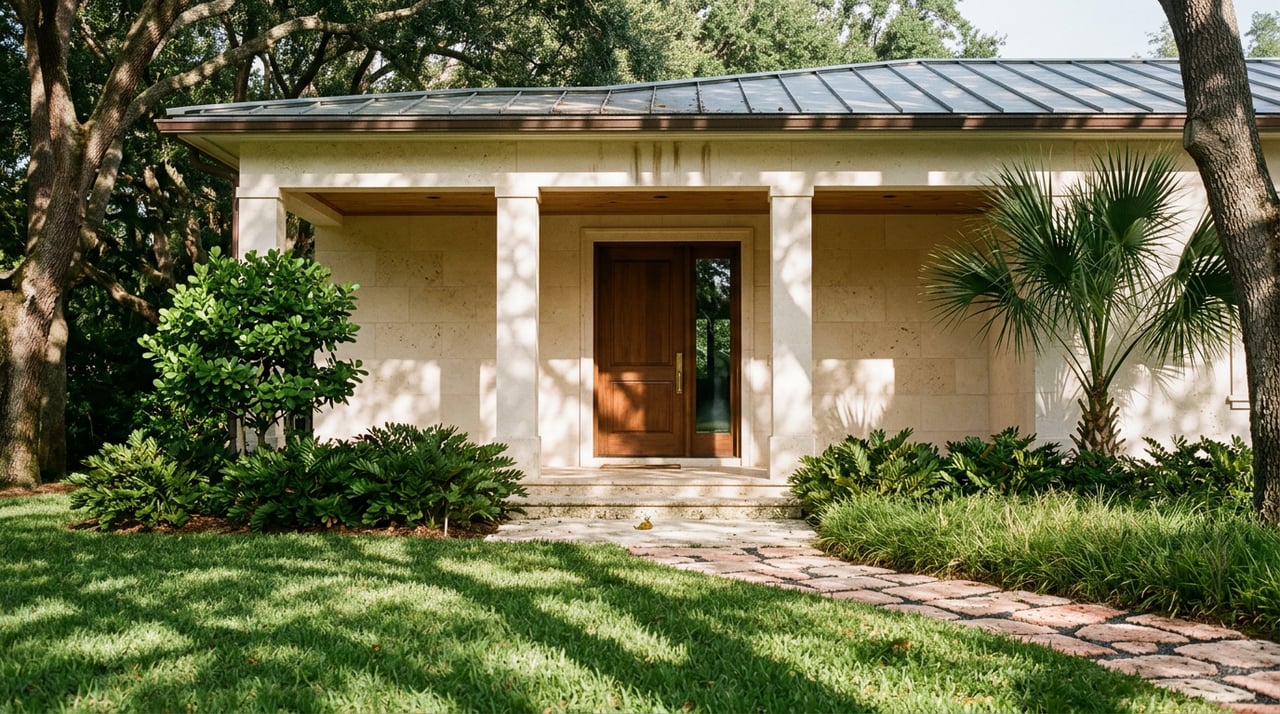
Pinecrest’s official identity is closely tied to tree-lined streets and large estate lots. If your ideal home includes more separation from neighbors, more outdoor space, and a calmer residential setting, Pinecrest often stands out quickly.
The village zoning code reinforces that identity. Pinecrest includes estate-oriented districts such as EU-1C at 2.5 gross acres, EU-1 at 1 gross acre, EU-S at 25,000 square feet, and EU-M at 15,000 square feet. That makes Pinecrest easier to understand for buyers who are specifically searching for lot size and estate-style single-family living.
Citywide housing data also points in the same direction. Pinecrest has an owner-occupied housing rate of 82.8% and a median owner-occupied home value of $1,406,400. While those are citywide figures rather than estate-only numbers, they support Pinecrest’s reputation as a high-value, ownership-heavy market.
Pinecrest strengths to consider
- Larger-lot zoning is clearly defined
- Village identity is closely tied to estate living
- Strong tree canopy and park presence
- Residential setting often feels more private and spacious
Why Coral Gables Draws Estate Buyers
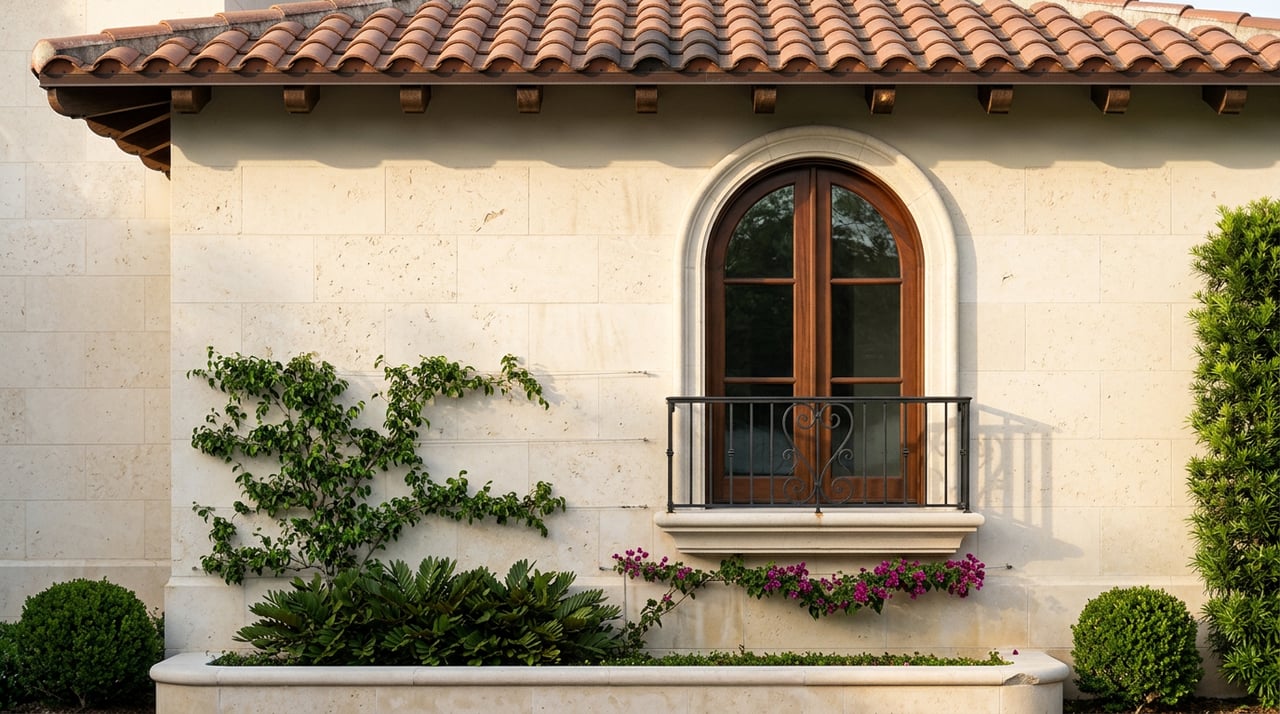
Coral Gables offers a different kind of appeal. The city is known as the “City Beautiful,” and its public identity emphasizes lush green avenues, historic landmarks, and more than 1,000 properties on its historic register.
If you are drawn to architecture, established streetscapes, and a more design-conscious municipal setting, Coral Gables may feel like the better match. The city also has more urban-scale amenities because of its larger size and broader housing mix.
For estate buyers, one important difference is that Coral Gables is often more parcel-specific. The city’s zoning and mapping tools allow property-level review, the single-family residential district is intended for low-density homes with yards and open space, and some properties may involve added requirements such as unity of title when a development parcel includes more than one platted lot.
Coral Gables strengths to consider
- Strong historic and architectural identity
- More layered amenity base across the city
- Design oversight can help preserve streetscape character
- Better fit if you value a more curated civic environment
Lot Size and Zoning Matter More Than the Zip Code
When you are shopping for an estate home, the city name only gets you so far. The bigger questions are about the specific lot, the zoning district, and the surrounding block pattern.
In Pinecrest, the zoning framework makes the estate story easier to read. Residential estate and single-family districts are clearly identified, which helps buyers understand whether a property sits in a truly large-lot setting.
In Coral Gables, the process often requires closer parcel-level due diligence. The city’s Board of Architects reviews new residences and major exterior changes, which can affect renovation plans, design updates, and timelines. That does not make Coral Gables harder in a negative sense, but it does mean you should expect more review and more property-specific analysis.
Green Space and Tree Canopy
If outdoor setting matters to you, both communities have strong appeal, but they express it differently. Pinecrest’s municipal identity is strongly tied to trees and parks. The village says it has planted more than 10,000 street trees since 1997, operates eight parks, and manages Pinecrest Gardens as a 14-acre botanical garden.
Pinecrest Public Works also highlights responsibility for roads, sidewalks, drainage, traffic calming, and maximizing the village tree canopy. For buyers who want a quieter, greener residential atmosphere, that can be a major draw.
Coral Gables offers a broader public realm. The city says it has more than 60 parks and open spaces, and Public Works manages more than 40,000 trees and 380 green spaces. In addition, some applications require tree surveys and tree protection plans, which reflects the city’s more managed and design-focused approach.
How the outdoor feel differs
- Pinecrest: more village-scale, privacy-oriented, canopy-driven
- Coral Gables: more civic, curated, park-rich, and design-regulated
Commute and Daily Mobility
Your daily routine can feel very different in these two markets. According to ACS 2020-2024 QuickFacts, mean travel time to work is 27.6 minutes in Pinecrest and 23.8 minutes in Coral Gables.
That gap is not dramatic, but it does suggest Coral Gables has somewhat shorter typical commutes at the citywide level. If access and mobility are high on your list, Coral Gables may have an edge.
Coral Gables also offers a free trolley service Monday through Saturday that connects to Douglas Metrorail Station and Metrobus. The city reports that the trolley averages more than 1 million passengers per year.
Pinecrest remains more car-oriented overall, but it still offers useful local support. The village has a free People Mover connecting neighborhoods and schools, along with Freebee on-demand rides that connect to the South Dade Transitway and a Metrorail station.
Which Market Fits Your Lifestyle Best?
If your top priorities are larger lots, more privacy, and a quieter residential environment, Pinecrest is often the cleaner fit. Its zoning, housing profile, and municipal identity all support that conclusion.
If your priorities lean toward historic character, architectural oversight, and broader amenity access, Coral Gables may be the stronger option. Its larger park system, trolley network, and design-review structure create a more layered urban-residential experience.
Neither choice is universally better. The right answer depends on what matters most to you once you pull into the driveway and start living there.
What to Check Before You Buy
No matter which market you prefer, estate-home due diligence should go beyond photos and square footage. The details that matter most are often tied to the lot itself and the local rules around it.
Before you move forward, focus on:
- Exact zoning district
- Lot size and lot configuration
- Whether multiple platted lots are involved
- Tree rules or tree protection requirements
- Renovation or exterior review constraints
- Surrounding street pattern and neighborhood context
These factors can shape everything from privacy to expansion potential to design flexibility. In estate-home searches, they often matter just as much as the address.
Final Thoughts on Pinecrest vs Coral Gables
Pinecrest and Coral Gables both serve luxury buyers well, but they do so in very different ways. Pinecrest tends to deliver a more space- and privacy-centered estate experience, while Coral Gables offers stronger historic character and civic curation.
If you are deciding between the two, the smartest next step is to compare specific properties through the lens of lot size, zoning, tree rules, mobility, and renovation goals. With the right guidance, you can narrow the choice based on how you actually want to live, not just which name sounds best on paper.
If you are exploring Pinecrest estates or Coral Gables luxury homes, Nancy Jimenez offers the kind of local, high-touch guidance that helps you evaluate each opportunity with clarity and confidence.
FAQs
Is Pinecrest or Coral Gables better for larger estate lots?
- Pinecrest is generally the clearer choice for larger estate lots because its zoning code more explicitly identifies estate-sized districts, including 1-acre and 2.5-acre categories.
Does Coral Gables have more architectural oversight than Pinecrest?
- Yes. Coral Gables uses parcel-level zoning review and Board of Architects oversight for new residences and major exterior changes, so buyers should expect more design review on some properties.
Which area has more parks and green space, Pinecrest or Coral Gables?
- Coral Gables has a larger public realm overall, with more than 60 parks and open spaces, while Pinecrest offers a strong tree-canopy identity with eight parks and Pinecrest Gardens.
Is commuting typically shorter in Coral Gables or Pinecrest?
- Citywide data shows a mean travel time to work of 23.8 minutes in Coral Gables and 27.6 minutes in Pinecrest, suggesting somewhat shorter typical commutes in Coral Gables.
What should estate-home buyers compare in Pinecrest and Coral Gables?
- Focus on the specific property’s zoning, lot size, lot assemblage issues, tree rules, renovation constraints, and surrounding street pattern before making a decision.