Moving to Coconut Grove from another state can feel exciting and overwhelming at the same time. You are not just choosing a home. You are also choosing a commute, a daily routine, and a plan for school records, closing timelines, and local logistics. If Coconut Grove is on your shortlist, this guide will help you understand how the area is structured, what to expect from the move, and how to plan your next steps with more confidence. Let’s dive in.
Why Coconut Grove Feels Different
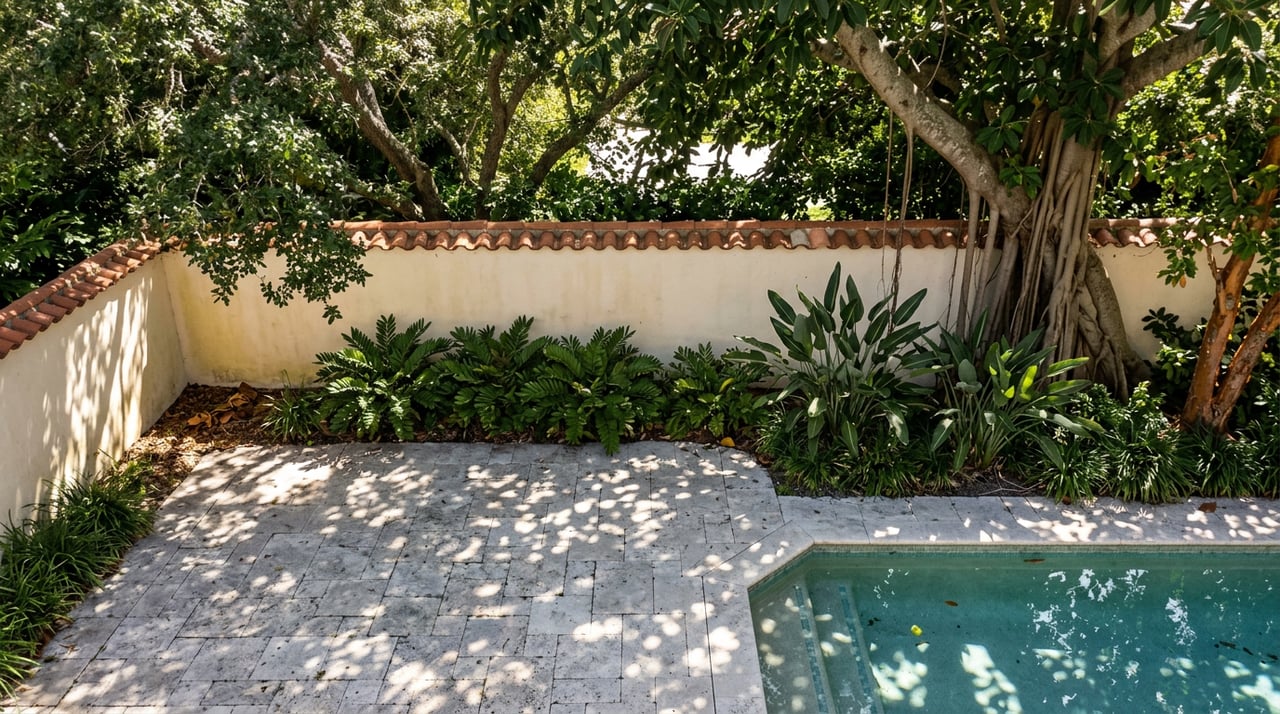
Coconut Grove is not a one-size-fits-all neighborhood. The City of Miami describes it as a protected, heavily landscaped district with a historic tree canopy, bay proximity, and a strong pedestrian orientation in the village core. That combination gives the area a distinct feel that many out-of-state buyers and renters notice right away.
The official planning framework breaks Coconut Grove into North Grove, Center Grove, South Grove, and Village Center. The village core on McFarlane Road between Grand Avenue and South Bayshore blends residential, retail, and entertainment uses with a walkable layout, according to the City of Miami neighborhood conservation district documents. That matters because your experience can vary a lot depending on which part of the Grove you choose.
You may also hear informal micro-area names in conversation, including North Grove, Village of Center Grove, and Coconut Grove Village West, which appear in Miami-Dade homeowner association listings. If you are relocating from out of state, it helps to know that locals may use both formal and informal area names when describing where they live.
Understanding Coconut Grove Micro-Areas
North Grove
North Grove sits east of SW 27 Avenue toward Biscayne Bay and the Rickenbacker Causeway. Based on official boundaries and transit locations, this area may make sense if you want easier access to the bay, major roads, and potentially a shorter connection to the village spine or rail. It is often one of the first areas relocating buyers ask about when they want a balance of location and convenience.
Center Grove
Center Grove lies between US-1, SW 27 Avenue, Oak Street, and SW 32 Avenue. This section can appeal to people who want to stay connected to everyday routes while still being within the broader Coconut Grove setting. If your routine includes frequent commuting, this part of the Grove is worth comparing closely with the other sub-districts.
South Grove
South Grove extends toward Le Jeune Road and Biscayne Bay. It is more spread out than the village core, so some households may rely more on driving for daily errands and commuting. If you are considering South Grove, it is smart to map your most common trips before deciding whether to rent or buy there.
Village Center
Village Center includes the historic village and commercial core. If you picture Coconut Grove as leafy, active, and easy to explore on foot, this is likely the image you have in mind. The official documents emphasize the pedestrian character here, which can be a major draw if you want dining, shops, and public spaces close by.
Lifestyle and Landmarks to Know
One of Coconut Grove’s best-known landmarks is The Barnacle Historic State Park, located on Main Highway. It reflects the neighborhood’s historic roots and bayfront identity. For many people moving from out of state, places like this help explain why the Grove feels different from more uniform urban neighborhoods.
Another important piece of the area is Grove Central, a mixed-use transit-oriented development at the station with 402 residential units and retail, connected to The Underline. If you are considering condo living or want a more transit-connected setup, this is especially relevant to your home search.
Commute Planning Before You Move
If you are relocating from another state, your commute strategy should be part of your housing strategy from day one. Coconut Grove Metrorail station is located at 2780 SW 27 Avenue and, according to Miami-Dade Transit, it reopened at the end of May 2025 after modernization. The station includes bus connections and parking, which can expand your options depending on where you live.
Metrorail operates daily from 5 a.m. to midnight. The Green Line runs from Palmetto to Dadeland South, and the Orange Line serves Miami International Airport, with weekend airport transfers at Earlington Heights. For people working in Brickell or downtown Miami, rail access can be a practical part of the weekly routine.
Brickell riders can also transfer to Metromover, which makes rail especially useful for some downtown commuters. If you are comparing homes in different parts of the Grove, think beyond drive time alone. Walkability to the station, access to US-1, and how often you actually plan to use transit should all factor into your decision.
Renting First vs Buying Right Away
Many out-of-state movers ask whether they should rent first or buy immediately. The answer usually depends on your timeline, your comfort level with the area, and whether you need school stability or long-term residency from the start.
A short-term rental can work as a bridge, but you should understand the rules. Miami-Dade County requires a tourist tax account for rentals of six months or less and a Certificate of Use before listing on peer-to-peer platforms. Bona fide written leases over six months are exempt from tourist development tax.
Buying may make more sense if you want to establish Florida residency, create more stability for your household, and avoid moving twice. It can also align better with school registration and homestead planning, since those processes rely on address and residency documentation.
School and Enrollment Logistics
If school planning is part of your move, start early. The district feeder pattern referenced in the research includes Coconut Grove Elementary, George Washington Carver Middle, and Coral Gables Senior High, with addresses listed in Miami-Dade school profile documents. As always, zoning and assignment details should be verified directly with the district during your move.
The bigger takeaway for relocating families is documentation. Miami-Dade County Public Schools requires verification of the parent’s residence, and the student must live with the parent placing them in the neighborhood school. Acceptable documents can include a deed or lease, homestead receipt, or electric bill, and schools may request proof during the year.
If you are coming from out of state, gather health records before the move. The district’s initial entry procedures handbook states that new students need the Florida school-entry health exam DH-3040 and the Florida Certificate of Immunization DH-680. Waiting until after arrival can add stress when you are already juggling a move.
Private school planning follows a separate process from district zoning. Nearby examples noted in the research include Ransom Everglades School, St. Hugh Catholic School, and Carrollton School of the Sacred Heart. If private school is part of your plan, be sure to review each school’s application steps and timing directly.
Why Residency Documents Matter
One of the easiest ways to reduce relocation stress is to organize your paperwork early. The same documents that support school registration often overlap with the documents used for Florida residency and homestead filing.
According to Miami-Dade homestead exemption guidelines, applications are due by March 1 and may require proof such as a Florida driver license, vehicle registration, voter registration, utility bills, or school registration of dependent children. If you plan to buy, this paperwork can become part of your larger post-closing checklist.
A Smart Relocation Timeline
When you are moving from out of state, a simple sequence can make the process much smoother. Coconut Grove offers several distinct living scenarios, so your plan should match your daily life, not just the name of the neighborhood.
A practical approach looks like this:
- Define your priorities by micro-area, commute, and household needs.
- Decide whether your first move should be a lease or a purchase.
- Gather proof of address, school records, and health documents.
- If buying, prepare for financing, inspections, insurance, and closing.
If you are financing a purchase, closing includes more than signing papers. The Consumer Financial Protection Bureau explains that closing is the final step in the loan and ownership transfer process, and buyers typically receive the Closing Disclosure at least three business days before closing. Building enough time into your move can help you avoid last-minute surprises.
How to Make Your Move Easier
Relocating to Coconut Grove is easier when you treat it as both a lifestyle move and a logistics project. The neighborhood’s tree canopy, bayfront identity, walkable village core, and transit connections can create a very appealing day-to-day experience. At the same time, the right fit depends on where in the Grove you land and how well your home choice supports your routine.
If you want guidance comparing micro-areas, weighing a rental against a purchase, or building a relocation plan around your timeline, Nancy Jimenez offers the kind of high-touch, local support that can make your transition more seamless.
FAQs
What should you know before relocating to Coconut Grove from out of state?
- You should understand that Coconut Grove includes several distinct sub-districts, and your experience can differ based on commute needs, walkability, school documentation, and whether you plan to rent first or buy right away.
Is Coconut Grove a walkable neighborhood for new residents?
- Parts of Coconut Grove, especially the Village Center, are officially described as having a strong pedestrian orientation, while more spread-out sections such as South Grove may require more driving for daily routines.
How does Metrorail help commuters living in Coconut Grove?
- Coconut Grove Metrorail station connects riders to key parts of Miami, including Brickell and downtown, and also links to bus routes, parking, Grove Central, and The Underline.
What documents do families need for Coconut Grove school enrollment?
- Families typically need proof of residence, and out-of-state students also need the Florida school-entry health exam DH-3040 and Florida Certificate of Immunization DH-680.
Should you rent or buy first when moving to Coconut Grove?
- Renting first can help if you want time to learn the micro-areas, while buying may be a better fit if you want long-term stability, Florida residency documentation, and a more permanent move from the start.