Dreaming about a waterfront address between Miami and Miami Beach? The Venetian Islands can deliver that rare mix of bay views, skyline backdrops, and island living, but buying here is not as simple as picking a beautiful house and making an offer. If you are considering this market, you need to understand how bridges, lot conditions, flood standards, and island-by-island differences shape both lifestyle and long-term value. Let’s dive in.
Why the Venetian Islands Need a Closer Look
The Venetian Islands are not one uniform neighborhood. Miami Beach planning documents identify this area as a group that includes Belle Isle, Di Lido, Rivo Alto, and San Marino, and the city even treats Belle Isle separately in parts of its capital improvement planning.
That matters because each island functions a little differently. Belle Isle is primarily a multi-family high-rise area, while Di Lido, Rivo Alto, and San Marino are single-family islands. In real terms, that means your search strategy should change depending on whether you want condo-style ownership, a townhouse feel, or a more traditional waterfront home.
For buyers, this is one of the most important takeaways. On the Venetian Islands, value is often shaped more by the exact island and block than by the neighborhood name alone.
Island Differences That Affect Buying
Belle Isle: More Urban, More Multi-Family
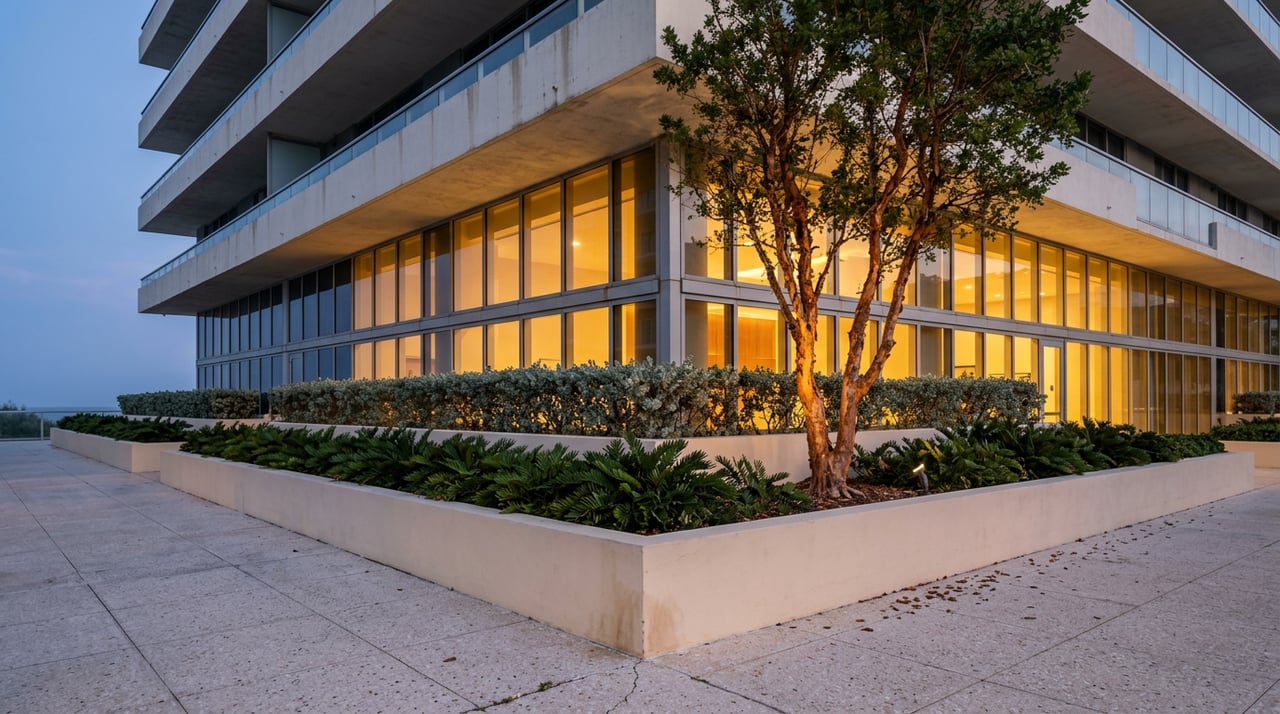
Belle Isle has a more urban and mixed-use feel than the other islands. It is known for its multi-family character, and Belle Isle Park on Island Avenue adds to that walkable, active atmosphere.
If you are drawn to condos, townhomes, or a lock-and-leave lifestyle, Belle Isle may feel like the best fit. It can also create a different pricing framework because buyers are often comparing units and redevelopment potential rather than just lot size and dockage.
Di Lido, Rivo Alto, and San Marino: Single-Family Focus
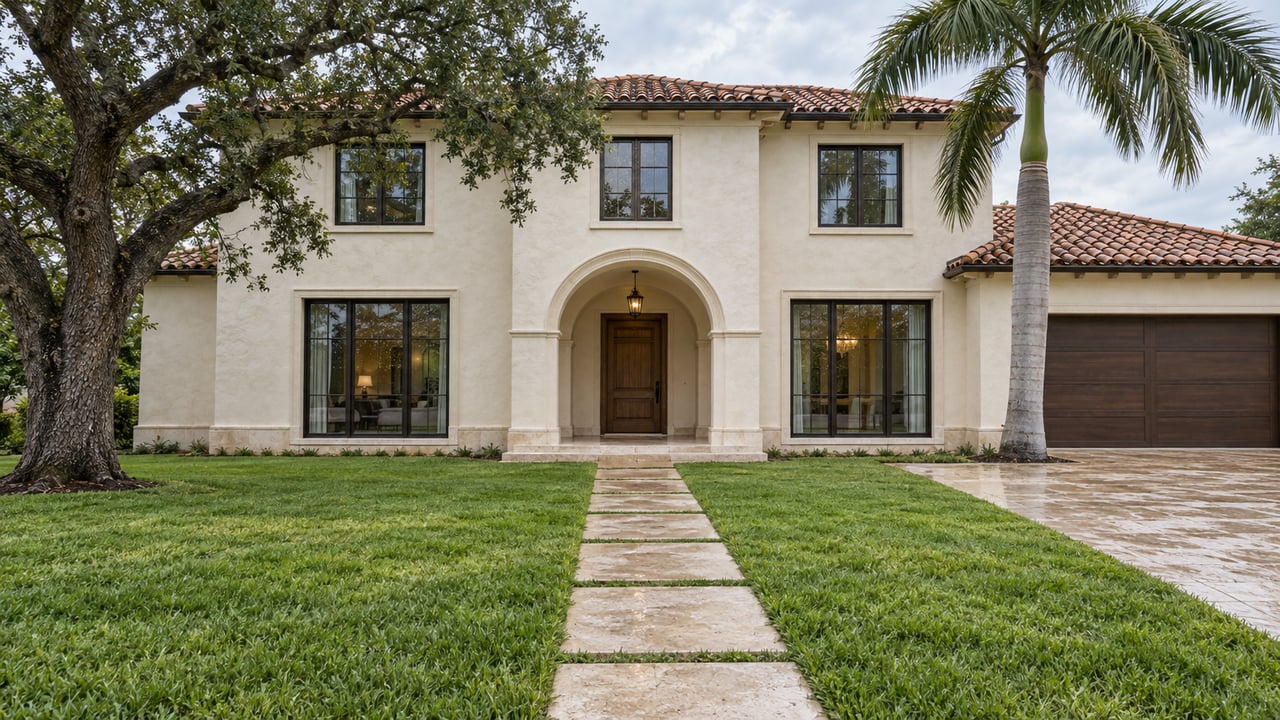
Di Lido, Rivo Alto, and San Marino function more like classic waterfront residential streets. These islands are centered around single-family homes, which makes lot configuration, privacy, setbacks, seawall condition, and dock usability especially important.
If your goal is a private home with a direct water relationship, these islands usually deserve the closest attention. Even so, two homes on the same island can have very different value depending on orientation, water access, and renovation needs.
Bridges Are Part of Daily Life
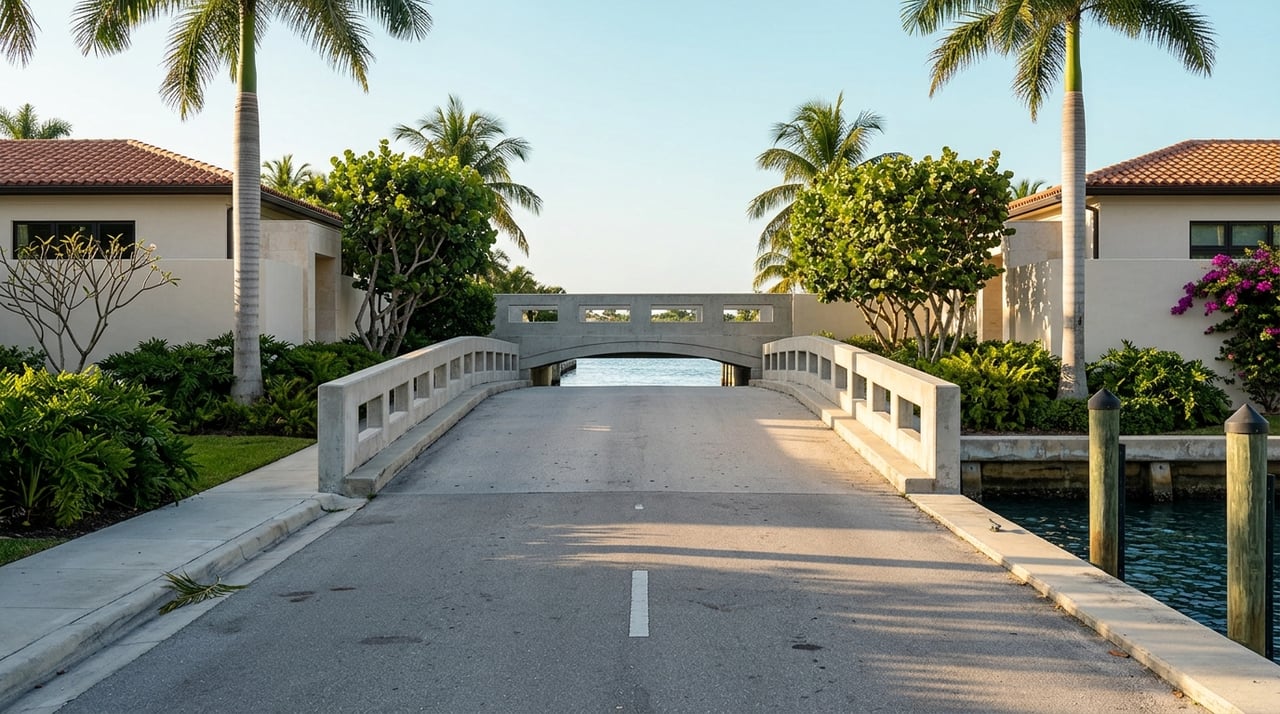
One of the biggest lifestyle factors on the Venetian Islands is access. The Venetian Causeway connects mainland Miami with the islands and Miami Beach, and Miami-Dade says it includes 12 bridges total, with 10 fixed-span bridges and 2 bascule bridges.
This is both a benefit and a trade-off. You get a unique bayfront setting and a sense of separation, but you also need to factor in bridge timing, toll costs, and ongoing public works when thinking about your day-to-day routine.
Toll and Access Basics
The Venetian Causeway toll plaza has four lanes and is now cashless. Miami-Dade also offers an annual property-owner plan for eligible Venetian Causeway property owners.
If you expect to commute frequently between Miami and Miami Beach, this is worth reviewing early in your search. Over time, even small access costs and routine travel patterns can shape how a property feels to live in.
Drawbridge Timing Matters
For the east and west Venetian Causeway bridges, drawbridge rules allow openings on signal. From 7 a.m. to 7 p.m. daily, including federal holidays, the draw is only required to open on the hour and half-hour.
That timing can matter if you boat often or if your route depends on bridge movement. It is not necessarily a deal-breaker, but it is part of the ownership experience and should be treated as a practical lifestyle factor.
Construction and Infrastructure Work
Miami-Dade is working with FDOT and other agencies to replace 11 bridges along the corridor. At the same time, Miami Beach is upgrading aerial water-main crossings along the north and south sides of the Venetian bridges, and the city has completed or substantially advanced road restoration on Di Lido, Rivo Alto, and San Marino.
For buyers, this means infrastructure is not just background news. It can influence access, noise, planning timelines, and your expectations for long-term resilience and maintenance in the area.
Views Are Valuable, But Not All Waterfront Is Equal
Buyers are often drawn to the Venetian Islands for open water and skyline views, but not every waterfront property offers the same experience. Biscayne Bay is a shallow inlet, and Miami-Dade notes that it includes both developed and undeveloped islands, which helps explain why the waterfront here is highly parcel-specific.
In other words, the premium is not just about being on the bay. It is about what your specific lot faces, how open your views are, and how functional your water access is.
Orientation Can Change Value
Because the islands sit between Miami and Miami Beach, open-bay and skyline-facing exposures generally carry stronger appeal than inward-facing streets or more limited view positions. That is not a formal city rule, but it is a practical conclusion based on the geography of the islands.
If long-term resale is part of your decision, orientation deserves close attention. A property with a broad water view or dramatic skyline backdrop may perform differently over time than one with a more enclosed outlook.
Water Depth Is Not Standard
A U.S. Army Corps of Engineers notice tied to work near the Venetian Causeway reported water depths ranging from 1 foot to 15 feet in the survey area, with shallower areas closer to the seawall and deeper water farther toward the center of Biscayne Bay.
That tells you something important as a buyer: do not assume all waterfront lots have the same dock conditions. If boating matters to you, verify actual dock depth, slip width, and turning room before you move forward.
Lot Shape and Shoreline Details Matter
On the single-family islands, lot configuration plays a major role in value and usability. Seawall condition, dock setup, setback patterns, and whether a future rebuild could preserve a similar view corridor all deserve careful review.
These details can affect what you can enjoy now and what flexibility you may have later. A beautiful property today may require more capital than expected if the seawall, dock, or shoreline improvements need major work.
Renovation and Resilience Should Be Part of Your Plan
If you are buying on the Venetian Islands, it helps to think beyond finishes and floor plans. Waterfront value here is closely tied to building standards, flood considerations, and the cost of adapting a property over time.
Miami Beach tells owners considering renovation to follow the Florida Building Code and the City of Miami Beach Code. The city also notes that it has collected FEMA elevation certificates since 1995 for new construction and substantial improvements.
Seawall Standards Are a Major Issue
Miami Beach’s 2024 commission memo says new seawalls and seawalls on public projects generally must be built to a minimum elevation of 5.7 feet NAVD88. Some existing private seawalls can be repaired at 4.0 feet NAVD88 if they are designed to accommodate a future extension to 5.7 feet.
For buyers, this is a major due diligence point. If a home needs seawall work now or later, that cost and design requirement can affect both near-term budgeting and long-term ownership strategy.
Flood Risk Is Not a Side Issue
According to Miami Beach, 93% of buildings in the city are in the Special Flood Hazard Area. That means flood insurance and resilience-related underwriting are not unusual here. They are part of normal ownership planning.
Miami Beach also approved a Sea Level Rise Adaptation Strategy in July 2025, and the city’s vulnerability assessment identifies South Venetian Islands as part of a higher-vulnerability South Beach subregion with bridges, pump stations, water infrastructure, and other assets flagged for attention.
This does not mean you should avoid the area. It means you should buy with open eyes, strong due diligence, and a realistic understanding of future capital needs.
What Current Market Signals Suggest
Recent consumer market pages place Venetian Islands at about a $2.0 million median sale price in March 2026, with 124 median days on market on Redfin. Realtor.com shows roughly a $2.10 million median listing price and about 110 days on market, and describes the submarket as a buyer’s market. Redfin also describes the market as not very competitive.
For you as a buyer, that can create opportunity. A market with more time on market may allow for better negotiation, more careful inspections, and a less rushed decision process, especially when a property has waterfront complexity or renovation questions.
That said, not all listings should be viewed the same way. A well-positioned property with strong orientation, usable waterfront features, and fewer resilience concerns may deserve different pricing logic than a home that needs extensive updates or shoreline work.
A Smart Buyer Checklist for the Venetian Islands
Before you buy, keep your focus on the variables that truly drive value here:
- The specific island, not just the Venetian Islands name
- The exact block and property orientation
- Whether the home is condo-style or single-family
- View corridor and skyline or open-bay exposure
- Seawall condition and likely upgrade needs
- Dock depth, slip width, and boat-turning room
- Bridge timing and commute friction
- Toll planning for regular travel
- Renovation feasibility under Miami Beach and Florida code requirements
- Flood insurance expectations and long-term resilience costs
When you evaluate these details early, you put yourself in a much stronger position to choose a home that works both for your lifestyle and your long-term goals.
A successful purchase on the Venetian Islands is rarely just about finding the prettiest listing. It is about understanding how access, water, infrastructure, and regulation come together on a very specific parcel. With the right guidance, you can narrow the field, avoid expensive surprises, and buy with confidence in one of Miami-Dade’s most distinctive waterfront settings.
If you are considering a purchase on the Venetian Islands and want a high-touch, well-informed strategy, Nancy Jimenez can help you evaluate the details that matter most.
FAQs
What makes buying on the Venetian Islands different from other Miami Beach areas?
- The Venetian Islands function as several distinct submarkets, with Belle Isle focused more on multi-family living and Di Lido, Rivo Alto, and San Marino centered on single-family homes.
What should buyers know about Venetian Causeway bridges?
- Miami-Dade says the causeway has 12 bridges, including 2 bascule bridges, so bridge timing, tolls, and infrastructure work can affect daily access and boating routines.
Why does waterfront value vary so much on the Venetian Islands?
- Waterfront value depends heavily on lot orientation, actual water depth, dock usability, seawall condition, and how open the view corridor is from that specific parcel.
What flood and seawall issues matter when buying on the Venetian Islands?
- Miami Beach says most buildings in the city are in the Special Flood Hazard Area, and seawall work may need to meet current elevation standards, so insurance and capital planning are key parts of due diligence.
Is the Venetian Islands market competitive for buyers right now?
- Recent consumer market data suggests a slower-paced market with median days on market above 100, which may give buyers more time to negotiate and investigate property condition carefully.