Picture waking up to the sound of quiet waves, easing into your day with a sunrise walk on a reef‑protected beach, and planning dinner around whether the wind favors a sunset cruise. If you’re considering Key Biscayne, you already want more time on the water and less in the city grind. In this guide, you’ll get a real feel for daily life on the island, from beaches and boating to homes, rules, and practical must‑knows. Let’s dive in.
Everyday rhythm on the water
You feel the island’s pace the moment you step onto the sand. Key Biscayne’s shoreline reads as calm, family‑friendly, and unhurried. Long stretches of beach and parkland frame the day, and the water is often clear and gentle thanks to off‑shore reefs. That setting shapes how you plan weekends, workouts, and time with friends.
Bill Baggs Cape Florida
At the southern tip, Bill Baggs Cape Florida State Park anchors the island with postcard‑perfect sand and the historic lighthouse. The water here is typically calmer and ideal for morning swims or low‑key beach days. Nature trails, picnic spots, and No Name Harbor make it easy to mix a hike, a hammock, and a casual dockside bite in one visit. Check park updates for occasional facility work or weekend crowds.
Crandon Park’s big‑park feel
Mid‑island, Crandon offers a wide‑open alternative to typical urban beaches. Families spread out for picnics, fitness groups meet under palms, and kids hop between splash time and playgrounds. The Crandon Park Marina adds a practical layer for boaters, with launch, slips, and services that make spur‑of‑the‑moment outings simple.
Boating culture, marinas, and bay calm
Boating is not a side hobby here. It defines the social calendar and your sense of freedom after work. Protected Biscayne Bay means you can leave on short notice for a sunset loop, fish a morning tide, or point the bow toward Stiltsville and the edges of Biscayne National Park. The Crandon Park Marina serves as a launch point for many owners and guests.
Private club culture also runs deep. The Key Biscayne Yacht Club hosts regattas, youth sailing, and seasonal events that keep the boating community close. Many residents plan weekends around dock‑and‑dine meetups, raft‑ups, and kids’ sailing schedules. If you dream in nautical charts, living here makes that life feel easy.
Small‑town comforts and island services
Key Biscayne is governed as the Village of Key Biscayne, which runs local services, parks, and a community center. The island’s scale feels intimate. You recognize faces at coffee shops, and a quick errand often turns into a friendly chat. Weekends bring a steady rhythm of markets, charity fundraisers, and outdoor meetups that favor connection over late‑night noise.
Recreation stays front and center. Tennis and pickleball are part of island life, with public play available at the Crandon Park Tennis Center. Golf, cycling on the causeway, and year‑round water sports keep you active without leaving the island. It reads like resort‑adjacent living, which is fitting.
Resort amenities when you want them
For spa days, dining, and guest stays, the Ritz‑Carlton adds polish close to home. The resort completed a major renovation and reopened to guests in December 2025, expanding dining, spa, and racquet offerings for visitors and locals who enjoy a hotel‑level experience. If you plan a special dinner or a family staycation, check the latest details in the Ritz‑Carlton Key Biscayne reopening announcement.
Getting around: the causeway reality
Everyday logistics hinge on the Rickenbacker Causeway, the single road that links Key Biscayne to the mainland. The county manages tolls, safety improvements, and operations, and peak times can back up with beach traffic or events. It is part of the tradeoff that gives the island its semi‑insulated feel. Before you buy, get a sense of timing for school runs, airport trips, and Friday returns from Brickell or the Grove. You can review corridor details on the county’s Rickenbacker Causeway page.
Homes that fit the waterfront life
Water shapes the housing here. You will see a mix of resort‑style oceanfront condos, mid‑rise towers from earlier eras, canalfront single‑family homes with docks, and townhomes near the village center. Choosing among them is more about how you plan to spend your days than checking a single median price.
Oceanfront resort condos
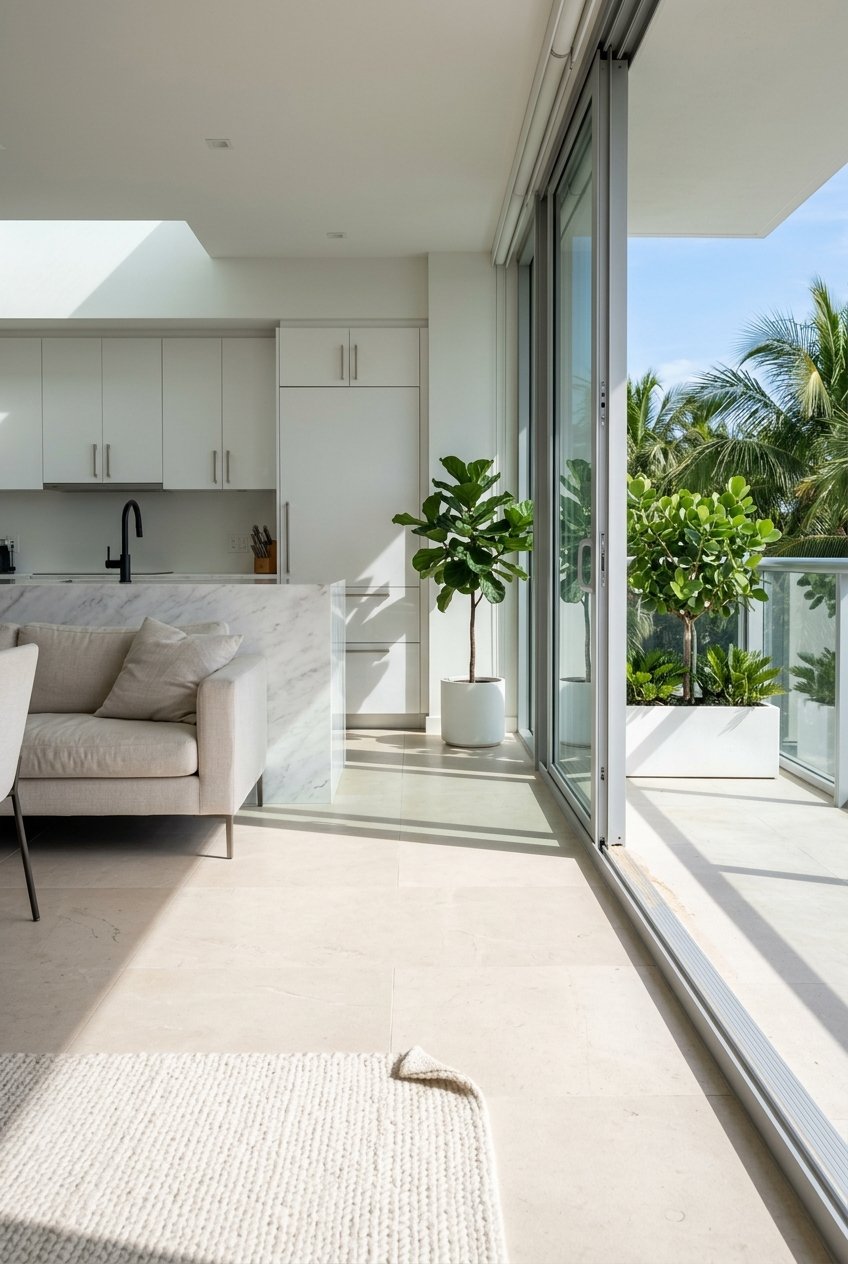
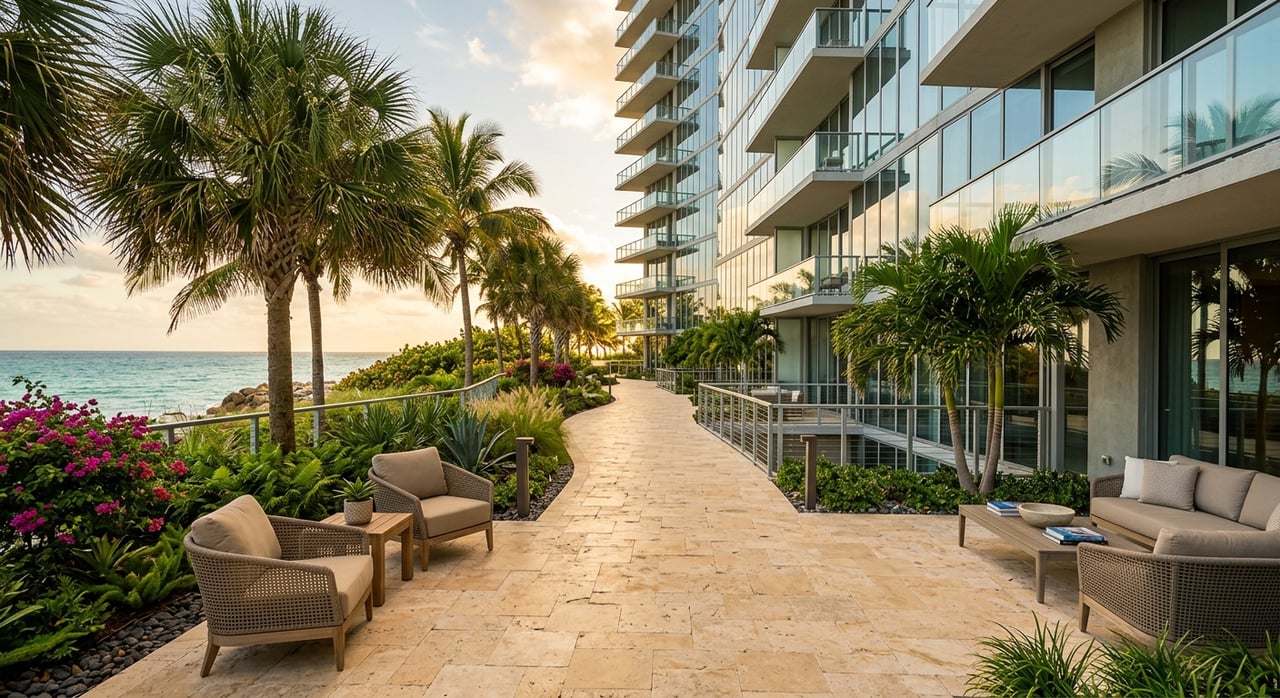
If you want private beach access and a full amenity stack, oceanfront communities such as The Ocean Club are the classic image. Think multiple pools, tennis, spa and wellness programming, and on‑site dining that make daily life feel seamless. High floors capture horizon views, while lower floors trade reach for intimacy with gardens and boardwalks. Verify specific amenities with the building or HOA.
Mid‑rise and legacy towers
Buildings like the Commodore Club and other mid‑island oceanfront towers often deliver direct sand access in a more modest scale than mega‑resorts. They appeal if you want to be on the beach without the footprint of a large campus. Views and floor heights matter here, and HOA rules differ, so read building documents closely.
Canalfront single‑family homes
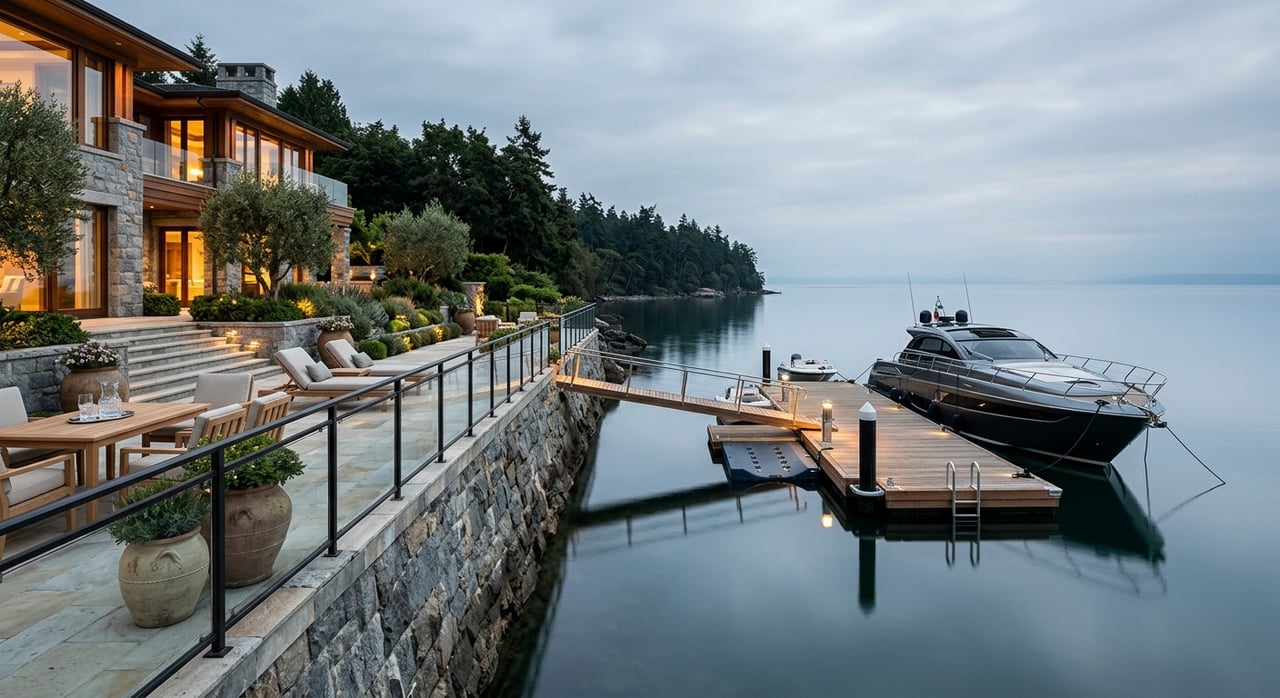
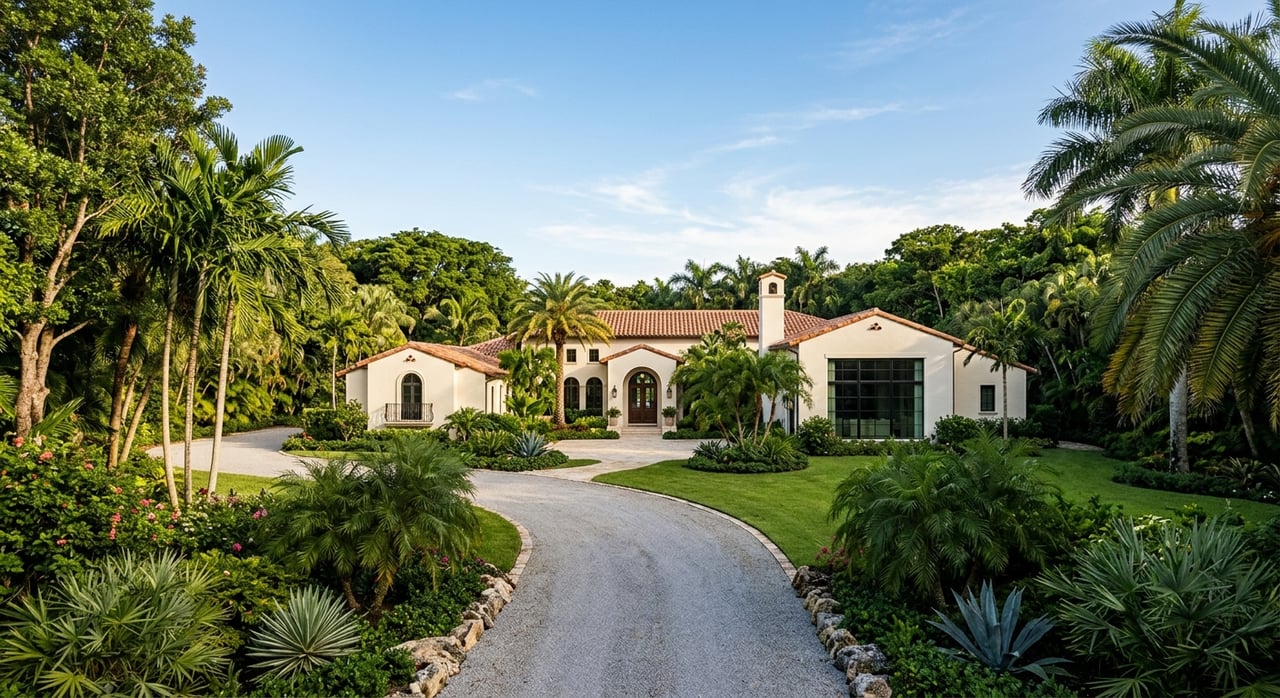
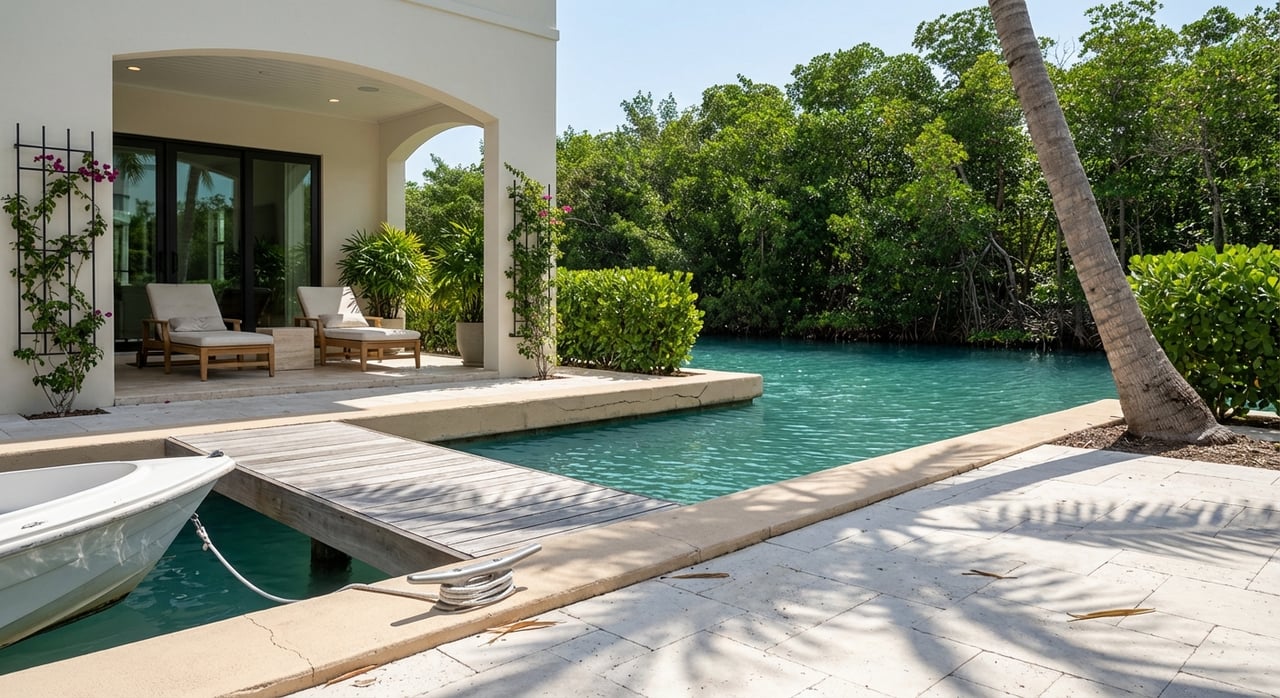
On the bay and along the canals, many single‑family properties include private docks or the space to add one, which keeps the boat at your back door. These homes are typically the top tier by price, bringing larger lots, renovated kitchens and outdoor living spaces, and easy access to the open bay. Confirm dock permits, seawall condition, and any history of erosion or elevation work during due diligence.
Townhomes and village‑center condos
Closer to the commercial corridor, you will find townhomes and smaller condo buildings that offer a quieter, walkable lifestyle. Residents choose them for routine convenience: a two‑minute stroll to a café, a quick bike ride to tennis, and easy access to parks. For many buyers, this is the sweet spot between island life and budget.
What to budget
Prices on Key Biscayne are seasonal and move with inventory. As a general feel, smaller 1‑bedroom condos in older or non‑oceanfront buildings often appear in the mid six figures to under one million, many 2 to 3 bedroom condos sit roughly in the 1 to 3 million range depending on building, floor, and view, and oceanfront towers and penthouses often trade from the low millions into eight figures for trophy product. Canalfront and deepwater single‑family homes typically start in the several‑million range and rise sharply for renovated estates with big docks. Always verify live numbers with current comps and building specifics.
What to know before you buy
Buying on a barrier island is part lifestyle and part planning. Here are the key items to review early in your search.
Flood and long‑term resilience
Sea‑level rise projections used by local planners point to meaningful change through mid‑century. The Southeast Florida Regional Climate Change Compact projects about 10 to 17 inches of rise by 2040 and about 21 to 54 inches by 2070. These figures guide public works like pump stations, drainage, and beach renourishment. Read the Compact’s guidance for context in the regionally unified projection, and review parcel‑specific flood zones through FEMA’s Flood Map Service Center. Ask about any elevation work, backup power for pumps, and local infrastructure projects when you inspect a home.
Short‑term rental rules
If you plan to rent, know that the Village allows short‑term rentals but regulates them. Registration is required, there is a minimum 15‑day rental period unless condominium documents say otherwise, and a fire inspection and business tax receipt are part of compliance. Building bylaws can be stricter, so read them closely. Review the Village’s short‑term rental guidelines before you purchase.
Docks, slips, and permits
Waterfront ownership often includes private dock access or the chance to add one, but rules and permits are site‑specific. Confirm rights, permits, and seawall status during due diligence. If you plan to rely on marina storage, check costs and availability at county or club facilities like the Crandon Park Marina or private options.
Schools and family logistics
For families, the presence of an island‑based public school provides daily convenience. The Key Biscayne K‑8 Center publishes enrollment and program details on its site. Review current information directly with the Key Biscayne K‑8 Center when planning a move.
How it really feels to live here
Life on Key Biscayne runs on a simple equation: beaches, boats, parks, and a close‑knit routine that keeps Miami’s energy within reach but not on top of you. You trade a causeway commute for mornings on the sand and weekends on the water. If that sounds like your version of balance, it is hard to beat.
Ready to explore homes that match how you live? Connect with Nancy Jimenez for a curated search and concierge guidance on everything from building rules to dock permits and flood due diligence.
FAQs
Is Key Biscayne quieter than Miami Beach?
- Yes. The island is smaller and more residential, framed by major parks rather than nightlife districts, with village services that support a calm, family‑focused rhythm.
How do I access Key Biscayne by car?
- You drive the Rickenbacker Causeway, the island’s single road link to the mainland; review tolls and operations on the county’s Causeway page.
Can I keep a boat at my Key Biscayne home?
- Many canalfront single‑family homes include private docks or space to add one, but permits and rights are site‑specific; marina storage is available through facilities like the Crandon Park Marina and private clubs.
What are the short‑term rental rules on the island?
- The Village allows short‑term rentals with registration, a 15‑day minimum stay unless condo docs say otherwise, and required inspections; see the Village guidelines.
How exposed is Key Biscayne to sea‑level rise?
- Local planners use the Southeast Florida Compact’s projections of about 10 to 17 inches by 2040 and 21 to 54 inches by 2070; see the Compact guidance and check FEMA flood maps for your address.